
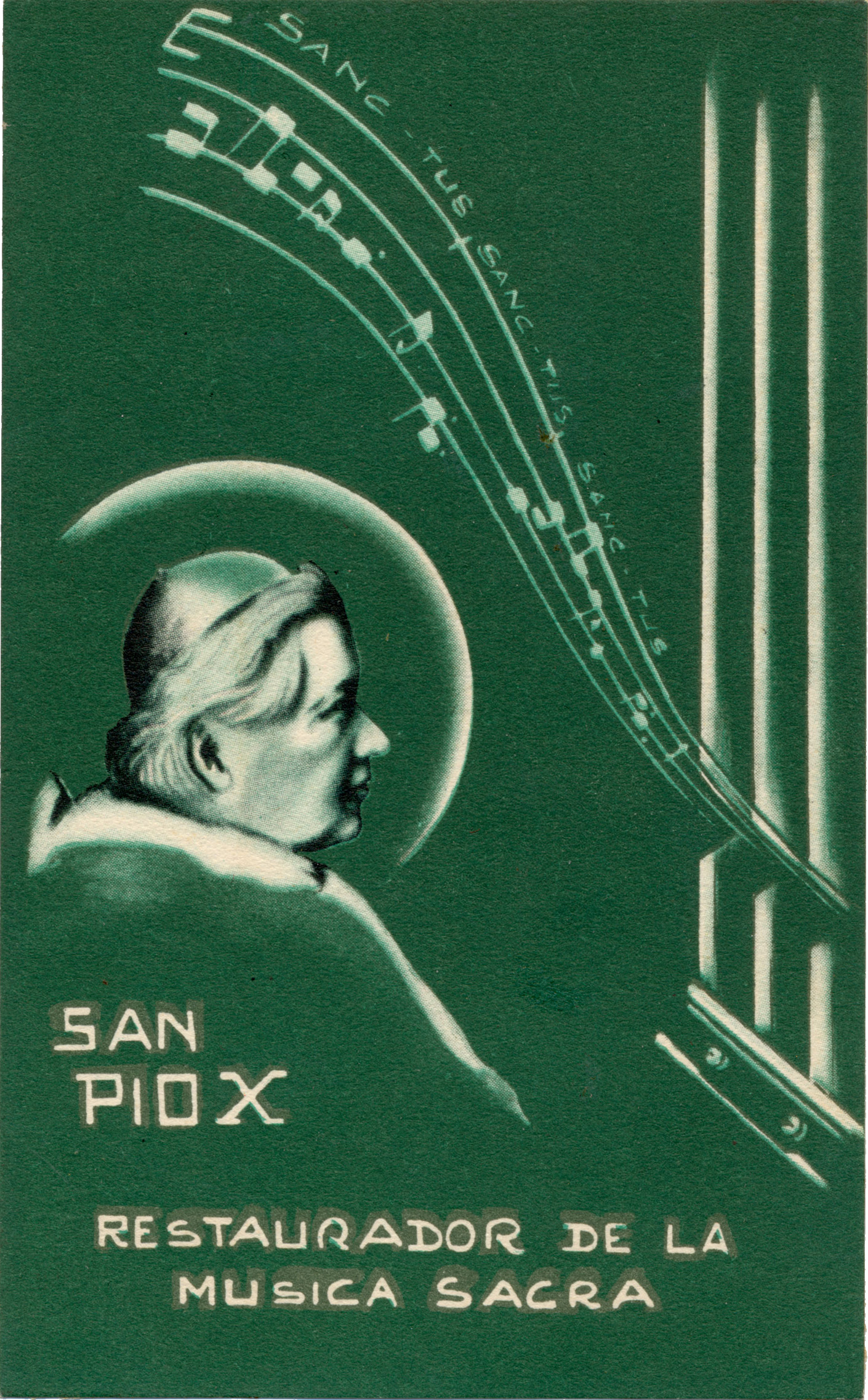
informacje

Motu Proprio Tra le Sollecitudini

informacje

MOTU PROPRIO
TRA LE SOLLECITUDINI
DEL SUMO PONTÍFICE
PÍO X
SOBRE LA MÚSICA SAGRADA

Entre los cuidados propios del oficio pastoral, no solamente de esta Cátedra, que por inescrutable disposición de la Providencía, aunque indigno, ocupamos, sino también de toda iglesia particular, sin duda uno de los principales es el de mantener y procurar el decoro de la casa del Señor, donde se celebran los augustos misterios de la religión y se junta el pueblo cristiano a recibir la gracia de los sacramentos, asistir al santo sacrificio del altar, adorar al augustísimo sacramento del Cuerpo del Señor y unirse a la común oración de la Iglesia en los públicos y solemnes oficios de la liturgia.

Nada, por consiguiente, debe ocurrir en el templo que turbe, ni siquiera disminuya, la piedad y la devoción de los fieles; nada que dé fundado motivo de disgusto o escándalo; nada, sobre todo, que directamente ofenda el decoro y la santidad de los sagrados ritos y, por este motivo, sea indigno de la casa de oración y la majestad divina.

Ahora no vamos a hablar uno por uno de los abusos que pueden ocurrir en esta materia; nuestra atención se fija hoy solamente en uno de los más generales, de los más diflciles de desarraigar, en uno que tal vez debe deplorarse aun allí donde todas las demás cosas son dignas de la mayor alabanza por la belleza y suntuosidad del templo, por la asistencia de gran número de eclesiásticos, por la piedad y gravedad de los ministros celebrantes: tal es el abuso en todo lo concerniente al canto y la música sagrada.

Y en verdad, sea por la naturaleza de este arte, de suyo fluctuante y variable, o por la sucesiva alteración del gusto y las costumbres en el transcurso del tiempo, o por la influencia que ejerce el arte profano y teatral en el sagrado, o por el placer que directamente produce la música y que no siempre puede contenerse fácilmente dentro de los justos límites, o, en último término, por los muchos prejuicios que en esta materia insensiblemente penetran y luego tenazmente arraigan hasta en el ánimo de personas autorizadas y pías; el hecho es que se observa una tendencia pertinaz a apartarla de la recta norma, señalada por el fin con que el arte fue admitido al servicio del culto y expresada con bastante claridad en los cánones eclesiásticos, los decretos de los concilios generales y provinciales y las repetidas resoluciones de las Sagradas Congregaciones romanas y de los sumos pontífices, nuestros predecesores.

Con verdadera satisfacción del alma nos es grato reconocer el mucho bien que en esta materia se ha conseguido durante los últimos decenios en nuestra ilustre ciudad de Roma y en multitud de iglesias de nuestra patria; pero de modo particular en algunas naciones, donde hombres egregios, llenos de celo por el culto divino, con la aprobación de la Santa Sede y la dirección de los obispos, se unieron en florecientes sociedades y restablecieron plenamente el honor del arte sagrado en casi todas sus iglesias y capillas. Pero aún dista mucho este bien de ser general, y si consultamos nuestra personal experiencia y oímos las muchísimas quejas que de todas partes se nos han dirigido en el poco tiempo pasado desde que plugo al Señor elevar nuestra humilde persona a la suma dignidad del apostolado romano, creemos que nuestro primer deber es levantar la voz sin más dilaciones en reprobación y condenación de cuanto en las solemnidades del culto y los oficios sagrados resulte disconforme con la recta norma indicada.

Siendo, en verdad, nuestro vivísimo deseo que el verdadero espíritu cristiano vuelva a florecer en todo y que en todos los fieles se mantenga, lo primero es proveer a la santidad y dignidad del templo, donde los fieles se juntan precisamente para adquirir ese espíritu en su primer e insustituible manantial, que es la participación activa en los sacrosantos misterios y en la pública y solemne oración de la Iglesia.

Y en vano será esperar que para tal fin descienda copiosa sobre nosotros la bendición del cielo, si nuestro obsequio al Altísimo no asciende en olor de suavidad; antes bien, pone en la mano del Señor el látigo con que el Salvador del mundo arrojó del templo a sus indignos profanadores.

Con este motivo, y para que de hoy en adelante nadie alegue la excusa de no conocer claramente su obligación y quitar toda duda en la interpretación de algunas cosas que están mandadas, estimamos conveniente señalar con brevedad los principios que regulan la música sagrada en las solemnidades del culto y condensar al mismo tiempo, como en un cuadro, las principales prescripciones de la Iglesia contra los abusos más comunes que se cometen en esta materia. Por lo que de motu proprio y ciencia cierta publicamos esta nuestra Instrucción, a la cual, como si fuese Código jurídico de la música sagrada, queremos con toda plenitud de nuestra Autoridad Apostólica se reconozca fuerza de ley, imponiendo a todos por estas letras de nuestra mano la más escrupulosa obediencia.

INSTRUCCIÓN ACERCA DE LA MÚSICA SAGRADA


I. PRINCIPIOS GENERALES

l. Como parte integrante de la liturgia solemne, la música sagrada tiende a su mismo fin, el cual consiste en la gloria de Dios y la santificación y edificación de los fieles. La música contribuye a aumentar el decoro y esplendor de las solemnidades religiosas, y así como su oficio principal consiste en revestir de adecuadas melodías el texto litúrgico que se propone a la consideración de los fieles, de igual manera su propio fin consiste en añadir más eficacia al texto mismo, para que por tal medio se excite más la devoción de los fieles y se preparen mejor a recibir los frutos de la gracia, propios de la celebración de los sagrados misterios.

2. Por consiguiente, la música sagrada debe tener en grado eminente las cualidades propias de la liturgia, conviene a saber: la santidad y la bondad de las formas, de donde nace espontáneo otro carácter suyo: la universalidad.

Debe ser santa y, por lo tanto, excluir todo lo profano, y no sólo en sí misma, sino en el modo con que la interpreten los mismos cantantes.

Debe tener arte verdadero, porque no es posible de otro modo que tenga sobre el ánimo de quien la oye aquella virtud que se propone la Iglesia al admitir en su liturgia el arte de los sonidos.

Mas a la vez debe ser universal, en el sentido de que, aun concediéndose a toda nación que admita en sus composiciones religiosas aquellas formas particulares que constituyen el carácter específico de su propia música, éste debe estar de tal modo subordinado a los caracteres generales de la música sagrada, que ningún fiel procedente de otra nación experimente al oírla una impresión que no sea buena.

II. GÉNEROS DE MÚSICA SAGRADA

3. Hállanse en grado sumo estas cualidades en el canto gregoriano, que es, por consiguiente, el canto propio de la Iglesia romana, el único que la Iglesia heredó de los antiguos Padres, el que ha custodiado celosamente durante el curso de los siglos en sus códices litúrgicos, el que en algunas partes de la liturgia prescribe exclusivamente, el que estudios recentísimos han restablecido felizmente en su pureza e integridad.

Por estos motivos, el canto gregoriano fue tenido siempre como acabado modelo de música religiosa, pudiendo formularse con toda razón esta ley general: una composición religiosa será más sagrada y litúrgica cuanto más se acerque en aire, inspiración y sabor a la melodía gregoriana, y será tanto menos digna del templo cuanto diste más de este modelo soberano.

Así pues, el antiguo canto gregoriano tradicional deberá restablecerse ampliamente en las solemnidades del culto; teniéndose por bien sabido que ninguna función religiosa perderá nada de su solemnidad aunque no se cante en ella otra música que la gregoriana.

Procúrese, especialmente, que el pueblo vuelva a adquirir la costumbre de usar del canto gregoriano, para que los fieles tomen de nuevo parte más activa en el oficio litúrgico, como solían antiguamente.

4. Las supradichas cualidades se hallan también en sumo grado en la polifonía clásica, especialmente en la de la escuela romana, que en el siglo XVI llegó a la meta de la perfección con las obras de Pedro Luis de Palestrina, y que luego continuó produciendo composiciones de excelente bondad musical y litúrgica.

La polifonía clásica se acerca bastante al canto gregoriano, supremo modelo de toda música sagrada, y por esta razón mereció ser admitida, junto con aquel canto, en las funciones más solemnes de la Iglesia, como son las que se celebran en la capilla pontificia.

Por consiguiente, también esta música deberá restablecerse copiosamente en las solemnidades religiosas, especialmente en las basílicas más insignes, en las iglesias catedrales y en las de los seminarios e institutos eclesiásticos, donde no suelen faltar los medios necesarios.

5. La Iglesia ha reconocido y fomentado en todo tiempo los progresos de las artes, admitiendo en el servicio del culto cuanto en el curso de los siglos el genio ha sabido hallar de bueno y bello, salva siempre la ley litúrgica; por consiguiente, la música más moderna se admite en la Iglesia, puesto que cuenta con composiciones de tal bondad, seriedad y gravedad, que de ningún modo son indignas de las solemnidades religiosas.

Sin embargo, como la música moderna es principalmente profana, deberá cuidarse con mayor esmero que las composiciones musicales de estilo moderno que se admitan en las iglesias no contengan cosa ninguna profana ni ofrezcan reminiscencias de motivos teatrales, y no estén compuestas tampoco en su forma externa imitando la factura de las composiciones profanas.

6. Entre los varios géneros de la música moderna, el que aparece menos adecuado a las funciones del culto es el teatral, que durante el pasado siglo estuvo muy en boga, singularmente en Italia.

Por su misma naturaleza, este género ofrece la máxima oposición al canto gregoriano y a la polifonía clásica, y por ende, a las condiciones más importantes de toda buena música sagrada, además de que la estructura, el ritmo y el llamado convencionalismo de este género no se acomodan sino malísimamente a las exigencias de la verdadera música litúrgica.

III. TEXTO LITÚRGICO

7. La lengua propia de la Iglesia romana es la latina, por lo cual está prohibido que en las solemnidades litúrgicas se cante cosa alguna en lengua vulgar, y mucho más que se canten en lengua vulgar las partes variables o comunes de la misa o el oficio.

8. Estando determinados para cada función litúrgica los textos que han de ponerse en música y el orden en que se deben cantar, no es lícito alterar este orden, ni cambiar los textos prescriptos por otros de elección privada, ni omitirlos enteramente o en parte, como las rúbricas no consienten que se suplan con el órgano ciertos versículos, sino que éstos han de recitarse sencillamente en el coro. Pero es permitido, conforme a la costumbre de la Iglesia romana, cantar un motete al Santísimo Sacramento después del Benedictus de la misa solemne, como se permite que, luego de cantar el ofertorio propio de la misa, pueda cantarse en el tiempo que queda hasta el prefacio un breve motete con palabras aprobadas por la Iglesia.

9. El texto litúrgico ha de cantarse como está en los libros, sin alteraciones o posposiciones de palabras, sin repeticiones indebidas, sin separar sílabas, y siempre con tal claridad que puedan entenderlo los fieles.

IV. FORMA EXTERNA DE LAS COMPOSICIONES SAGRADAS

10. Cada una de las partes de la misa y el oficio deben conservar musicalmente el concepto y la forma que la tradición eclesiástica les ha dado y se conservan bien expresadas en el canto gregoriano; diversa es, por consiguiente, la manera de componerse un introito, un gradual, una antífona, un salmo, un himno, un Gloria in excelsis, etc.

11. En este particular obsérvense las normas siguientes:

A) El Kyrie, Gloria, Credo, etc., de la misa deben conservar la unidad de composición que corresponde a su texto. No es, por tanto, lícito componerlos en piezas separadas, de manera que cada una de ellas forme una composición musical completa, y tal que pueda separarse de las restantes y reemplazarse con otra.

B) En el oficio de vísperas deben seguirse ordinariamente las disposiciones del Caeremoniale episcoporum, que prescribe el canto gregoriano para la salmodia y permite la música figurada en los versos del Gloria Patri y en el himno.

Sin embargo, será lícito en las mayores solemnidades alternar, con el canto gregoriano del coro, el llamado de contrapunto, o con versos de parecida manera convenientemente compuestos.

También podrá permitirse alguna vez que cada uno de los salmos se ponga enteramente en música, siempre que en su composición se conserve la forma propia de la salmodia; esto es, siempre que parezca que los cantores salmodian entre sí, ya con motivos musicales nuevos, ya con motivos sacados del canto gregoriano, o imitados de éste.

Pero quedan para siempre excluidos y prohibidos los salmos llamados de concierto.

C) En los himnos de la Iglesia consérvese la forma tradicional de los mismos. No es, por consiguiente, lícito componer, por ejemplo, el Tantum ergo de manera que la primera estrofa tenga la forma de romanza, cavatina o adagio, y el Genitori de allegro.

D) Las antífonas de vísperas deben ser cantadas ordinariamente con la melodía gregoriana que les es propia; mas si en algún caso particular se cantasen con música, no deberán tener, de ningún modo, ni la forma de melodía de concierto, ni la amplitud de un motete o de una cantata.

V. CANTORES

12. Excepto las melodías propias del celebrante y los ministros, las cuales han de cantarse siempre con música gregoriana, sin ningún acompañamiento de órgano, todo lo demás del canto litúrgico es propio del coro de levitas; de manera que los cantores de iglesia, aun cuando sean seglares, hacen propiamente el oficio de coro eclesiástico.

Por consiguiente, la música que ejecuten debe, cuando menos en su máxima parte, conservar el carácter de música de coro.

Con esto no se entiende excluir absolutamente los solos; mas éstos no deben predominar de tal suerte que absorban la mayor parte del texto litúrgico, sino que deben tener el carácter de una sencilla frase melódica y estar íntimamente ligado el resto de la composición coral.

13. Del mismo principio se deduce que los cantores desempeñan en la Iglesia un oficio litúrgico; por lo cual las mujeres, que son incapaces de desempeñar tal oficio, no pueden ser admitidas a formar parte del coro o la capilla musical. Y si se quieren tener voces agudas de tiples y contraltos, deberán ser de niños, según uso antiquísimo de la Iglesia.

14. Por último, no se admitan en las capillas de música sino hombres de conocida piedad y probidad de vida, que con su modesta y religiosa actitud durante las solemnidades litúrgicas se muestren dignos del santo oficio que desempeñan. Será, además, conveniente que, mientras cantan en la iglesia, los músicos vistan hábito talar y sobrepelliz, y que, si el coro se halla muy a la vista del público, se le pongan celosías.

VI. ÓRGANO E INSTRUMENTOS

15. Si bien la música de la Iglesia es exclusivamente vocal, esto no obstante, también se permite la música con acompañamiento de órgano. En algún caso particular, en los términos debidos y con los debidos miramientos, podrán asimismo admitirse otros instrumentos; pero no sin licencia especial del Ordinario, según prescripción del Caeremoniale episcoporum.

16. Como el canto debe dominar siempre, el órgano y los demás instrumentos deben sostenerlo sencillamente, y no oprimirlo.

17. No está permitido anteponer al canto largos preludios o interrumpirlo con piezas de intermedio.

18. En el acompañamiento del canto, en los preludios, intermedios y demás pasajes parecidos, el órgano debe tocarse según la índole del mismo instrumento, y debe participar de todas las cualidades de la música sagrada recordadas precedentemente.

19. Está prohibido en las iglesias el uso del piano, como asimismo de todos los instrumentos fragorosos o ligeros, como el tambor, el chinesco, los platillos y otros semejantes.

20. Está rigurosamente prohibido que las llamadas bandas de música toquen en las iglesias, y sólo en algún caso especial, supuesto el consentimiento del Ordinario, será permitido admitir un número juiciosamente escogido, corto y proporcionado al ambiente, de instrumentos de aire, que vayan a ejecutar composiciones o acompañar al canto, con música escrita en estilo grave, conveniente y en todo parecida a la del órgano.

21. En las procesiones que salgan de la iglesia, el Ordinario podrá permitir que asistan las bandas de música, con tal de que no ejecuten composiciones profanas. Sería de apetecer que en tales ocasiones las dichas músicas se limitasen a acompañar algún himno religioso, escrito en latín o en lengua vulgar, cantado por los cantores y las piadosas cofradías que asistan a la procesión.

VII. EXTENSIÓN DE LA MÚSICA RELIGIOSA

22. No es lícito que por razón del canto o la música se haga esperar al sacerdote en el altar más tiempo del que exige la liturgia. Según las prescripciones de la Iglesia, el Sanctus de la misa debe terminarse de cantar antes de la elevación, a pesar de lo cual, en este punto, hasta el celebrante suele tener que estar pendiente de la música. Conforme a la tradición gregoriana, el Gloria y el Credo deben ser relativamente breves.

23. En general, ha de condenarse como abuso gravísimo que, en las funciones religiosas, la liturgia quede en lugar secundario y como al servicio de la música, cuando la música forma parte de la liturgia y no es sino su humilde sierva.

VIII. MEDIOS PRINCIPALES

24. Para el puntual cumplimiento de cuanto aquí queda dispuesto, nombren los obispos, si no las han nombrado ya, comisiones especiales de personas verdaderamente competentes en cosas de música sagrada, a las cuales, en la manera que juzguen más oportuna, se encomiende el encargo de vigilar cuanto se refiere a la música que se ejecuta en las iglesias. No cuiden sólo de que la música sea buena de suyo, sino de que responda a las condiciones de los cantores y sea buena la ejecución.

25. En los seminarios de clérigos y en los institutos eclesiásticos se ha de cultivar con amor y diligencia, conforme a las disposiciones del Tridentino, el ya alabado canto gregoriano tradicional, y en esta materia sean los superiores generosos de estímulos y encomios con sus jóvenes súbditos. Asimismo, promuévase con el clero, donde sea posible, la fundación de una Schola cantorum para la ejecución de la polifonía sagrada y de la buena música litúrgica.

26. En las lecciones de liturgia, moral y derecho canónico que se explican a los estudiantes de teología, no dejen de tocarse aquellos puntos que más especialmente se refieren a los principios fundamentales y las reglas de la música sagrada, y procúrese completar la doctrina con instrucciones especiales acerca de la estética del arte religioso, para que los clérigos no salgan del seminario ayunos de estas nociones, tan necesarias a la plena cultura eclesiástica.

27. Póngase cuidado en restablecer, por lo menos en las iglesias principales, las antiguas Scholae cantorum, como se ha hecho ya con excelente fruto en buen número de localidades. No será difícil al clero verdaderamente celoso establecer tales Scholae hasta en las iglesias de menor importancia y de aldea; antes bien, eso le proporcionará el medio de reunir en torno suyo a niños y adultos, con ventaja para sí y edificación del pueblo.

28. Procúrese sostener y promover del mejor modo donde ya existan las escuelas superiores de música sagrada, y concúrrase a fundarlas donde aún no existan, porque es muy importante que la Iglesia misma provea a la instrucción de sus maestros, organistas y cantores, conforme a los verdaderos principios del arte sagrado.

IX. CONCLUSIÓN

29. Por último, se recomienda a los maestros de capilla, cantores, eclesiásticos, superiores de seminarios, de institutos eclesiásticos y de comunidades religiosas, a los párrocos y rectores de iglesias, a los canónigos de colegiatas y catedrales, y sobre todo a los Ordinarios diocesanos, que favorezcan con todo celo estas prudentes reformas, desde hace mucho deseadas y por todos unánimemente pedidas, para que no caiga en desprecio la misma autoridad de la Iglesia, que repetidamente las ha propuesto y ahora de nuevo las inculca.

Dado en nuestro Palacio apostólico del Vaticano en la fiesta de la virgen y mártir Santa Cecilia, 22 de noviembre de 1903, primero de nuestro pontificado.

Motu Proprio Tra le Sollecitudini

informacje

MOTU PROPRIO
TRA LE SOLLECITUDINI*
DEL SOMMO PONTEFICE
PIO X
SULLA MUSICA SACRA

22 novembre 1903


Tra le sollecitudini dell’officio pastorale, non solamente di questa Suprema Cattedra, che per inscrutabile disposizione della Provvidenza, sebbene indegni, occupiamo, ma di ogni Chiesa particolare, senza dubbio è precipua quella di mantenere e promuovere il decoro della Casa di Dio, dove gli augusti misteri della religione si celebrano e dove il popolo cristiano si raduna, onde ricevere la grazia dei Sacramenti, assistere al santo Sacrificio dell’Altare, adorare l’augustissimo Sacramento del Corpo del Signore ed unirsi alla preghiera comune della Chiesa nella pubblica e solenne officiatura liturgica.

Nulla adunque deve occorrere nel tempio che turbi od anche solo diminuisca la pietà e la devozione dei fedeli, nulla che dia ragionevole motivo di disgusto o di scandalo, nulla soprattutto che direttamente offenda il decoro e la santità delle sacre funzioni e però sia indegno della Casa di Orazione e della maestà di Dio.

Non tocchiamo partitamente degli abusi che in questa parte possono occorrere. Oggi l’attenzione Nostra si rivolge ad uno dei più comuni, dei più difficili a sradicare e che talvolta si deve deplorare anche là dove ogni altra cosa è degna del massimo encomio per la bellezza e sontuosità del tempio, per lo splendore e per l’ordine accurato delle cerimonie, per la frequenza del clero, per la gravità e per la pietà dei ministri che celebrano. Tale è l’abuso nelle cose del canto e della musica sacra. Ed invero, sia per la natura di quest’arte per sé medesima fluttuante e variabile, sia per la successiva alterazione del gusto e delle abitudini lungo il correr dei tempi, sia per funesto influsso che sull’arte sacra esercita l’arte profana e teatrale, sia pel piacere che la musica direttamente produce e che non sempre torna facile contenere nei giusti termini, sia infine per i molti pregiudizi che in tale materia di leggeri si insinuano e si mantengono poi tenacemente anche presso persone autorevoli e pie, v’ha una continua tendenza a deviare dalla retta norma, stabilita dal fine, per cui l’arte è ammessa al servigio del culto, ed espressa assai chiaramente nei canoni ecclesiastici, nelle Ordinazioni dei Concilii generali e provinciali, nelle prescrizioni a più riprese emanate dalle Sacre Congregazioni romane e dai Sommi Pontefici Nostri Predecessori.

Con vera soddisfazione dell’animo Nostro Ci è grato riconoscere il molto bene che in tal parte si è fatto negli ultimi decenni anche in questa Nostra alma Città di Roma ed in molte Chiese della patria Nostra, ma in modo più particolare presso alcune nazioni, dove uomini egregi e zelanti dal culto di Dio, con l’approvazione di questa Santa Sede e sotto la direzione dei Vescovi, si unirono in fiorenti Società e rimisero in pienissimo onore la musica sacra pressoché in ogni loro chiesa e cappella. Codesto bene tuttavia è ancora assai lontano dall’essere comune a tutti, e se consultiamo l’esperienza Nostra personale e teniamo conto delle moltissime lagnanze che da ogni parte Ci giunsero in questo poco tempo, dacché piacque al Signore di elevare l’umile Nostra Persona al supremo apice del Pontificato romano, senza differire più a lungo, crediamo Nostro primo dovere di alzare subito la voce a riprovazione e condanna di tutto ciò che nelle funzioni del culto e nell’offìciatura ecclesiastica si riconosce difforme dalla retta norma indicata.

Essendo, infatti, Nostro vivissimo desiderio che il vero spirito cristiano rifiorisca per ogni modo e si mantenga nei fedeli tutti, è necessario provvedere prima di ogni altra cosa alla santità e dignità del tempio, dove appunto i fedeli si radunano per attingere tale spirito dalla sua prima ed indispensabile fonte, che è la partecipazione attiva ai sacrosanti misteri e alla preghiera pubblica e solenne della Chiesa. Ed è vano sperare che a tal fine su noi discenda copiosa la benedizione del Cielo, quando il nostro ossequio all’Altissimo, anziché ascendere in odore di soavità, rimette invece nella mano del Signore i flagelli, onde altra volta il Divin Redentore cacciò dal tempio gli indegni profanatori.
Per la qual cosa, affinché niuno possa d’ora innanzi recare a scusa di non conoscere chiaramente il dover suo e sia tolta ogni indeterminatezza nell’interpretazione di alcune cose già comandate, abbiamo stimato espediente additare con brevità quei principii che regolano la musica sacra nelle funzioni del culto e raccogliere insieme in un quadro generale le principali prescrizioni della Chiesa contro gli abusi più comuni in tale materia.

E però di moto proprio e certa scienza pubblichiamo la presente Nostra Istruzione, alla quale, quasi a codice giuridico della musica sacra, vogliamo dalla pienezza della Nostra Autorità Apostolica sia data forza di legge, imponendone a tutti col presente Nostro Chirografo la più scrupolosa osservanza.


ISTRUZIONE SULLA MUSICA SACRA
 

I  Principii generali.

1. La musica sacra, come parte integrante della solenne liturgia, ne partecipa il fine generale, che è la gloria di Dio e la santificazione e edificazione dei fedeli. Essa concorre ad accrescere il decoro e lo splendore delle cerimonie ecclesiastiche, e siccome suo officio principale è dì rivestire con acconcia melodia il testo liturgico che viene proposto all’intelligenza dei fedeli, così il suo proprio fine è di aggiungere maggiore efficacia al testo medesimo, affinché i fedeli con tale mezzo siano più facilmente eccitati alla devozione e meglio si dispongano ad accogliere in sé i frutti della grazia, che sono propri della celebrazione dei sacrosanti misteri.

2. La musica sacra deve per conseguenza possedere nel grado migliore le qualità che sono proprie della liturgia, e precisamente la santità e la bontà delle forme, onde sorge spontaneo l’altro suo carattere, che è l’universalità.

Deve essere santa, e quindi escludere ogni profanità, non solo in se medesima, ma anche nel modo onde viene proposta per parte degli esecutori.

Deve essere arte vera, non essendo possibile che altrimenti abbia sull’animo di chi l’ascolta quell’efficacia, che la Chiesa intende ottenere accogliendo nella sua liturgia l’arte dei suoni.
Ma dovrà insieme essere universale in questo senso, che pur concedendosi ad ogni nazione di ammettere nelle composizioni chiesastiche quelle forme particolari che costituiscono in certo modo il carattere specifico della musica loro propria, queste però devono essere in tal maniera subordinate ai caratteri generali della musica sacra, che nessuno di altra nazione all’udirle debba provarne impressione non buona.

II   Generi di musica sacra.

3. Queste qualità si riscontrano in grado sommo nel canto gregoriano, che è per conseguenza il canto proprio della Chiesa Romana, il solo canto ch’essa ha ereditato dagli antichi padri, che ha custodito gelosamente lungo i secoli nei suoi codici liturgici, che come suo direttamente propone ai fedeli, che in alcune parti della liturgia esclusivamente prescrive e che gli studi più recenti hanno sì felicemente restituito alla sua integrità e purezza.

Per tali motivi il canto gregoriano fu sempre considerato come il supremo modello della musica sacra, potendosi stabilire con ogni ragione la seguente legge generale: tanto una composizione per chiesa è più sacra e liturgica, quanto più nell’andamento, nella ispirazione e nel sapore si accosta alla melodia gregoriana, e tanto è meno degna del tempio, quanto più da quel supremo modello si riconosce difforme.

L’antico canto gregoriano tradizionale dovrà dunque restituirsi largamente nelle funzioni del culto, tenendosi da tutti per fermo, che una funzione ecclesiastica nulla perde della sua solennità, quando pure non venga accompagnata da altra musica che da questo Soltanto.

In particolare si procuri di restituire il canto gregoriano nell’uso del popolo, affinché i fedeli prendano di nuovo parte più attiva all’officiatura ecclesiastica, come anticamente solevasi.

4. Le anzidette qualità sono pure possedute in ottimo grado dalla classica polifonia, specialmente della Scuola Romana, la quale nel secolo XVI ottenne il massimo della sua perfezione per opera di Pier Luigi da Palestrina e continuò poi a produrre anche in seguito composizioni di eccellente bontà liturgica e musicale. La classica polifonia assai bene si accosta al supremo modello di ogni musica sacra che è il canto gregoriano, e per questa ragione meritò di essere accolta insieme col canto gregoriano, nelle funzioni più solenni della Chiesa, quali sono quelle della Cappella Pontificia. Dovrà dunque anche essa restituirsi largamente nelle funzioni ecclesiastiche, specialmente nelle più insigni basiliche, nelle chiese cattedrali, in quelle dei seminari e degli altri istituti ecclesiastici, dove i mezzi necessari non sogliono fare difetto.

5. La Chiesa ha sempre riconosciuto e favorito il progresso delle arti, ammettendo a servizio del culto tutto ciò che il genio ha saputo trovare di buono e di bello nel corso dei secoli, salve però sempre le leggi liturgiche. Per conseguenza la musica più moderna è pure ammessa in chiesa, offrendo anch’essa composizioni di tale bontà, serietà e gravità, che non sono per nulla indegne delle funzioni liturgiche.

Nondimeno, siccome la musica moderna è sorta precipuamente a servigio profano, si dovrà attendere con maggior cura, perché le composizioni musicali di stile moderno, che si ammettono in chiesa, nulla contengano di profano, non abbiano reminiscenze di motivi adoperati in teatro, e non siano foggiate neppure nelle loro forme esterne sull’andamento dei pezzi profani.

6. Fra i vari generi della musica moderna, quello che apparve meno acconcio ad accompagnare le funzioni del culto è lo stile teatrale, che durante il secolo scorso fu in massima voga, specie in Italia. Esso per sua natura presenta la massima opposizione al canto gregoriano ed alla classica polifonia e però alla legge più importante di ogni buona musica sacra. Inoltre l’intima struttura, il ritmo e il cosiddetto convenzionalismo di tale stile non si piegano, se non malamente, alle esigenze della vera musica liturgica.

III  Testo liturgico.

7. La lingua propria della Chiesa Romana è la latina. È quindi proibito nelle solenni funzioni liturgiche di cantare in volgare qualsivoglia cosa; molto più poi di cantare in volgare le parti variabili o comuni della Messa e dell’Officio.

8. Essendo per ogni funzione liturgica determinati i testi che possono proporsi in musica, e l’ordine con cui devono proporsi, non è lecito né di confondere quest’ordine, né di cambiare i testi prescritti in altri di propria scelta, né di ometterli per intero od anche solo in parte, se pure le rubriche liturgiche non consentano di supplire con l’organo alcuni versetti del testo, mentre questi vengono semplicemente recitati in coro. Soltanto è permesso, giusta la consuetudine della Chiesa Romana, di cantare un mottetto al SS. Sacramento dopo il Benedictus della Messa solenne. Si permette pure che, dopo cantato il prescritto offertorio della Messa, si possa eseguire, nel tempo che rimane, un breve mottetto sopra parole approvate dalla Chiesa.

9. Il testo liturgico deve essere cantato come sta nei libri, senza alterazione o posposizione di parole, senza indebite ripetizioni, senza spezzarne le sillabe e sempre in modo intelligibile ai fedeli che ascoltano.

IV  Forma esterna delle sacre composizioni

10. Le singole parti della Messa e dell’officiatura devono conservare anche musicalmente quel concetto e quella forma che la tradizione ecclesiastica ha loro dato, e che trovasi assai bene espressa nel canto gregoriano. Diverso dunque è il modo di comporre un introito, un graduale, un’antifona, un salmo, un inno, un Gloria in excelsis, ecc.

11. In particolare si osservino le norme seguenti:
a) Il Kyrie, Gloria, Credo, ecc. della Messa devono mantenere l’unità di composizione, propria del loro testo. Non è dunque lecito di comporli a pezzi separati, così che ciascuno di tali pezzi formi una composizione musicale compiuta e tale che possa staccarsi dal rimanente e sostituirsi con altra.

b) Nell’officiatura dei Vesperi si deve ordinariamente seguire la norma del Caerimoniale Episcoporum, che prescrive il canto gregoriano per la salmodia, e permette la musica figurata per i versetti del Gloria Patri e per l’inno.

Sarà nondimeno lecito, nelle maggiori solennità, di alternare il canto gregoriano del coro coi cosiddetti falsibordoni o con versi in simile modo convenientemente composti.

Si potrà eziandio concedere qualche volta che i singoli salmi si propongano per intero in musica, purché in tali composizioni sia conservata la forma propria della salmodia; cioè, purché i cantori sembrino salmeggiare tra loro, o con nuovi motivi, o con quelli presi dal canto gregoriano, o secondo questo imitati.

Restano dunque per sempre esclusi e proibiti i salmi cosiddetti di concerto.

c)   Negli inni della Chiesa si conservi la forma tradizionale dell’inno. Non è quindi lecito di comporre p. es. il Tantum ergo per modo che la prima strofa presenti una romanza, una cavatina, un adagio, e il Genitori un allegro.

d) Le antifone dei Vesperi devono essere proposte d’ordinario con la melodia gregoriana loro propria. Se però in qualche caso particolare si cantassero in musica, non dovranno mai avere né la forma di una melodia di concerto, né l’ampiezza di un mottetto e di una cantata.

V  Cantori.

12. Tranne le melodie proprie del celebrante all’altare e dei ministri, le quali devono essere sempre in solo canto gregoriano senza alcun accompagnamento d’organo, tutto il resto del canto liturgico è proprio del coro dei leviti, e però i cantori di chiesa, anche se sono secolari, fanno propriamente le veci del coro ecclesiastico. Per conseguenza le musiche che propongono devono, almeno nella loro massima parte, conservare il carattere di musica da coro.

Con ciò non s’intende del tutto esclusa la voce sola. Ma questa non deve mai predominare nella funzione, così che la più gran parte del testo liturgico sia in tale modo eseguita; piuttosto deve avere il carattere di semplice accenno o spunto melodico ed essere strettamente legata al resto della composizione a forma di coro.

13. Dal medesimo principio segue che i cantori hanno in chiesa vero officio liturgico e che però le donne, essendo incapaci di tale officio, non possono essere ammesse a far parte del Coro o della cappella musicale. Se dunque si vogliono adoperare le voci acute dei soprani e contralti, queste dovranno essere sostenute dai fanciulli, secondo l’uso antichissimo della Chiesa.

14. Per ultimo non si ammettano a far parte della cappella di chiesa se non uomini di conosciuta pietà e probità di vita, i quali, col loro modesto e devoto contegno durante le funzioni liturgiche, si mostrino degni del santo officio che esercitano. Sarà pure conveniente che i cantori, mentre cantano in chiesa, vestano l’abito ecclesiastico e la cotta, e se trovansi in cantorie troppo esposte agli occhi del pubblico, siano difesi da grate.

VI  Organo ed instrumenti musicali.

15. Sebbene la musica propria della Chiesa sia la musica puramente vocale, nondimeno è permessa eziandio la musica con accompagnamento d’organo. In qualche caso particolare, nei debiti termini e coi convenienti riguardi, potranno anche ammettersi altri strumenti, ma non mai senza licenza speciale dell’Ordinario, giusta la prescrizione del Caerimoniale Episcoporum.

16. Siccome il canto deve sempre primeggiare, così l’organo o gli strumenti devono semplicemente sostenerlo e non mai opprimerlo.

17. Non è permesso di premettere al canto lunghi preludi o d’interromperlo con pezzi di intermezzo.

18. Il suono dell’organo negli accompagnamenti del canto, nei preludi, interludi e simili, non solo deve essere condotto secondo la propria natura di tale strumento, ma deve partecipare di tutte le qualità che ha la vera musica sacra e che si sono precedentemente annoverate.

19. È proibito in chiesa l’uso del pianoforte, come pure quello degli strumenti fragorosi o leggeri, quali sono il tamburo, la grancassa, i piatti, i campanelli e simili.

20. È rigorosamente proibito alle cosiddette bande musicali di suonare in chiesa; e solo in qualche caso speciale, posto il consenso dell’Ordinario, sarà permesso di ammettere una scelta limitata, giudiziosa e proporzionata all’ambiente, di strumenti a fiato, purché la composizione e l’accompagnamento da eseguirsi sia scritto in stile grave, conveniente e simile in tutto a quello proprio dell’organo.

21. Nelle processioni fuori di chiesa può essere permessa dall’Ordinario la banda musicale, purché non si eseguiscano in nessun modo pezzi profani. Sarebbe desiderabile in tali occasioni che il concerto musicale si restringesse ad accompagnare qualche cantico spirituale in latino o volgare, proposto dai cantori o dalle pie Congregazioni che prendono parte alla processione.

VII   Ampiezza della musica liturgica.

22. Non è lecito, per ragione del canto o del suono, fare attendere il sacerdote all’altare più di quello che comporti la cerimonia liturgica. Giusta le prescrizioni ecclesiastiche, il Sanctus della Messa deve essere compiuto prima della elevazione, e però anche il celebrante deve in questo punto avere riguardo ai cantori. Il Gloria ed il Credo, giusta la tradizione gregoriana, devono essere relativamente brevi.

23. In generale è da condannare come abuso gravissimo, che nelle funzioni ecclesiastiche la liturgia apparisca secondaria e quasi a servizio della musica, mentre la musica è semplicemente parte della liturgia e sua umile ancella.

VIII  Mezzi precipui

24. Per l’esatta esecuzione di quanto viene qui stabilito, i Vescovi, se non l’hanno già fatto, istituiscano nelle loro diocesi una Commissione speciale di persone veramente competenti in cose di musica sacra, alla quale, nel modo che giudicheranno più opportuno, sia affidato l’incarico d’invigilare sulle musiche che si vanno eseguendo nelle loro chiese. Né badino soltanto che le musiche siano per sé buone, ma che rispondano altresì alle forze dei cantori e vengano sempre bene eseguite.

25. Nei seminari dei chierici e negli istituti ecclesiastici, giusta le prescrizioni tridentine, si coltivi da tutti con diligenza ed amore il prelodato canto gregoriano tradizionale, ed i superiori siano in questa parte larghi di incoraggiamento e di encomio coi loro giovani sudditi. Allo stesso modo, dove torni possibile, si promuova tra i chierici la fondazione di una Schola Cantorum per l’esecuzione della sacra polifonia e della buona musica liturgica.

26. Nelle ordinarie lezioni di liturgia, di morale, di gius canonico che si danno agli studenti di teologia, non si tralasci di toccare quei punti che più particolarmente riguardano i principii e le leggi della musica sacra, e si cerchi di compierne la dottrina con qualche particolare istruzione circa l’estetica dell’arte sacra, affinché i chierici non escano dal seminario digiuni di tutte queste nozioni, pur necessarie alla piena cultura ecclesiastica.

27. Si abbia cura di restituire, almeno presso le chiese principali, le antiche Scholae Cantorum, come si è già praticato con ottimo frutto in buon numero di luoghi. Non è difficile al clero zelante d’istituire tali Scholae perfino nelle chiese minori e di campagna, anzi trova in esse un mezzo assai facile d’adunare intorno a sé i fanciulli e gli adulti, con profitto loro proprio e edificazione del popolo.

28. Si procuri di sostenere e promuovere in ogni miglior modo le scuole superiori di musica sacra dove già sussistono, e di concorrere a fondarle dove non si possiedono ancora. Troppo è importante che la Chiesa stessa provveda all’istruzione dei suoi maestri, organisti e cantori, secondo i veri principii dell’arte sacra.

IX Conclusione.

29. Per ultimo si raccomanda ai maestri di cappella, ai cantori, alle persone del clero, ai superioni dei seminari, degli istituti ecclesiastici e delle comunità religiose, ai parroci e rettori di chiese, ai canonici delle colleggiate e delle cattedrali, e soprattutto agli Ordinari diocesani di favorire con tutto lo zelo queste sagge riforme, da molto tempo desiderate e da tutti concordemente invocate, affinché non cada in dispregio la stessa autorità della Chiesa, che ripetutamente le propose ed ora di nuovo le inculca.

Motu Proprio Tra le Sollecitudini

informacje

PIUS PP. X

MOTU PROPRIO

SS.MI D. N. PII PP. X DE MUSICA SACRA*


Inter plurimas pastoralis officii sollicitudines, non huius Supremae Cathedrae tantum, ad quam abscondito Dei numine sumus, quamvis indigni, nuperrime evecti, sed singularum ecclesiarum, absque dubio illa principem tenet locum, cuius est munus decori favere domus Dei, in qua et divina peraguntur mysteria et Christifidelium grex convenit, ut Sacramentis fruatur, collectam et dominicum agat, Corporis D. N. Sacramentum adoret, precibusque Ecclesiae in publico et solemni liturgico officio communicet. Nihil igitur in templo sit quod pietatem et religionem Christifidelium perturbet vel minuat, nihil quod fastidio vel malo exemplo sit, nihil praesertim quod SS. Rituum decus et sanctitatem offendat, ideoque orationis domo et Dei maiestate minime sit dignum.

Malos usus qui occurrere possint singillatim non pertractabimus. Nunc vero prae omnium oculis illum malum usum ponimus, qui et saepissime evenit et qui auferatur difficillimus esse videtur; aliquoties insuper vituperandus est etiam cum omnia maxima sint laude digna templi venustate, caeremoniarum ordine, clericorum frequentia, pietate et religione celebrantium. Hic maius usus in cantu et sacris musicis est reperiendus. Enimvero sive huius artis natura fluctuantes variaeque, sive iudicii, volventibus annis, deformatione, sive malo influxu, quo ars profana et theatralis in eam influit, quae merito sacra appellatur, sive voluptate, quae ex musicis directe captatur, neque debitis modis facile contineri potest, sive denique plurimis errantibus iudiciis, quae in hac arte pullulant, etiam apud nonnullos viros vel auctoritate praeditos et religione conspicuos, peccatur in lege, quae vult SS. Ritus artem subter se habere; quae lex in singulis Ecclesiae canonibus et Conciliis vel generalibus vel provincialibus, et SS. Romanarum Congregationum et RR. Pontificum decretis saepe saepius clare aperteque inducitur.

At suspicantibus Nobis aliquid boni proximis temporibus factum esse videtur et in hac alma Urbe plurimisque Italiae nostrae ecclesiis; praecipue vero apud nonnullas nationes, ubi viri egregii religione flagrantes, hac suprema Sede adprobante et Ordinariis dirigentibus, iure sociati fecerunt ut in singulis ecclesiis et sacrariis musica omnino floreret. Sed quod captum est bonum non apud omnes populos invenitur Nostra quidem sententia; quod si rationem habemus plurimarum conquestionum, quae undique Nostras ad aures latae sunt hoc exiguo temporis spatio, quo Domino visum est Nos ad supremum Pontificatus fastigium evehi, diutius differre nolentes, quidquid in sacris agendis a lege, quam supra exposuimus, alienum est et vituperandum et damnandum clare aperteque censuimus. Etenim cum nihil Nobis potius sit et vehementer optemus ut virtus christianae religionis floreat et in omnibus Christifidelibus firmior sit, templi decori provideatur oportet, ubi Christicolae congregantur ut hoc virtutis spiritu ex priore fonte fruantur, quae est participatio divinorum mysteriorum atque Ecclesiae communium et solemnium precum. Frustra vero speramus super nos abundantius coeli gratiam esse descensuram, ubi nostra pietas in Deum non ut odorum suavitas adscendit in coelum, sed Domino rursus dat flagella quibus olim Iesus Christus violatores e templo expulit indignos.

Itaque ne quis in medium afferat sui iuris inscitiam, et ut quaeque in interpretatione quorumdam rerum cunctatio auferatur, principia, quae musicam sacram gubernant brevi exponenda esse censuimus, et hac in tabula colligenda praecipua Ecclesiae decreta malos usus in hac disciplina ad vitandos.

Certa scientia igitur et motu proprio hanc Nostram Instructionem in lucem edimus, quae vel codex iuris sacrorum musicorum et quasi lex plenitudine Nostrae Apostolicae Auctoritatis placet et mandamus ut vigeat et valeat, eamque omnes Christifideles ad litteram servent.

INSTRUCTIO DE SACRIS MUSICIS

I.
Principia generalia.

1. Musica sacra, prout pars integrans solemnis liturgiae, huius particeps est finis, qui gloriam Dei et sanctificationem Christifidelium spectat. Ipsa decus caeremoniarum ecclesiasticarum adauget, et quod eius praecipuum munus est concentu opportuno verba liturgiae exornare, ita musicis sacris haec verba intelligentiora fieri debent, quo facilius Christicolae ad fidem et religionem eccitentur, et abundantius percipiant gratiam, quae sacrorum mysteriorum propria est.

2. Ex quo evenit ut musica sacra omnibus muneribus liturgiae praedita sit, praesertim sanctitate, bonitate formarum quibus et uniersalitas oritur.

Sit sancta, eiiciat igitur e sacris profana, non tantum in se, sed etiam quoad formam qua a cantoribus proponitur.

Sit ars cera, ut in animis audientium illam habeat virtutem, quam Ecclesia postulat quum musicis liturgiam societ.

Sit universalis hac ratione, scilicet quamvis singulis nationibus liceat in musicis sacris admittere illos praecipuos modos, qui formam earum musicae constituant, hi tamen modi legibus generalibus sacrorum musicorum subiiciantur, ne ullius alienigenae animus, eos cum audiat, perturbetur.

II.
De sacrorum musicorum generibus.

3. Hae dotes praecipue inveniuntur in cantu gregoriano, qui igitur Ecclesiae Romanae est, quem ea a maioribus accepit, et in codicibus liturgicis, volventibus aevis, fidelissime servavit, quem vero, prout est proprius, Christicolis proponit et aliquoties in liturgia praecipit, quem denique novissima studia pristinae dignitati et integritati restituerunt.

His de causis cantus gregorianus ut exemplar optimum sacrorum musicorum semper est habitus, cum vera sit haec lex: musica compositio eo magis est sacra et liturgica, quo in modis cantum gregorianum sequitur, et eo minus templi digna est, quo magis illo optimo exemplo peccat.

Cantus gregorianus, quem transmisit traditio, in sacris solemnibus omnino est instaurandus, et omnes pro certo habeant sacram liturgiam nihil solemnitatis amittere, quamvis hac una musica agatur. Praesertim apud populum cantus gregorianus est instaurandus, quo vehementius Christicolae, more maiorum, sacrae liturgiae sint rursus participes.

4. Quas supra exposuimus dotes, eae optime reperiuntur in classica poliphonia, praesertim Scholae Urbanae, quam XVI vertente aevo Petrus Aloysius Praenestinus ad sidera tulit, neque in posterum sibi defuit. Classica poliphonia optime exemplo totius musicae sacrae cohaeret, quod exemplum est cantus gregorianus, quam ob rem una simul cum cantu gregoriano accepta est in solemnibus liturgiis Ecclesiae, quae sunt illae Pontificiorum musicorum (della cappella pontificia). Instauranda est igitur et haec in maximis basilicis, in ecclesiis cathedralibus, in sacrariis seminariorum aliorumque conventuum, qui opibus florent.

5. Progredientibus artibus semper Catholica Ecclesia favit, cum cultui servire voluisset quidquid boni et pulchri, vertentibus annis, ingenium invenerit, servatis tamen legibus liturgicis. Ex quo efficitur ut et musica hodierna in ecclesiis admittatur cum sit modis suavis nec sacris liturgiis minime indigna. Tamen, quod musica hodierna finem habet profanum , curandum est ne musicorum modi hodierno stylo, qui in ecclesiis admittuntur, quid habeant théâtrale vel profanum, neve quoad formas alienos modos attingant.

6. Inter hodiernae musicae genera stylus ille theatralis ad sacra sequenda minime aptus videtur, qui nuper elapso aevo praesertim in Italia viguit. Ille vero sua ipsius natura cantui gregoriano et classicae poliphoniae omnino repugnat, ideoque sacrorum musicorum legibus. Huius denique styli structura, modus et qui dicitur convenzionalismo musicae necessitatibus apte non nectuntur.

III.
De texto liturgico.

7. Ecclesia latina lingua utitur; in sacris igitur liturgiis prohibetur quidlibet vulgari sermone canere, praesertim partes variantes vel communes Missae et Officii.

8. Cum singulis liturgiis sint texta statuta, quae musicis cani possint, et ordo, hunc perturbare non licet, neve statutis textis ad libitum alia substituere, neve penitus ea amittere vel imminuere, nisi liturgicae rubricae concedant ut organum aliqua verba texti, quae in choro recitentur, substituat. Liceat tamen more Romanae Ecclesiae canere cantiunculam (mottetto) in honorem SS. Sacramenti post Benedictus in missa solenni. Concedimus denique ut, Missae Offertorio absoluto, brevis cantiuncula canatur super verba ab Ecclesia adprobata.

9. Textum liturgicum ut est in libris sine verborum permutatione vel repetitione et intelligibili forma Christicolis audientibus est canendum, neque dividantur verba.

IV.
De forma exteriore sacrarum compositionum.

10. Singulae partes missae et divini officii et in musicis servent quam ecclesiastica traditio eis dedit formam, quae in cantu gregoriano optime invenitur. Non eodem enim modo componitur introitus, graduale, antiphona, psalmus, hymnus Gloria in excelsis etc.

11. Haec praesertim sunt servanda:

a) Kyrie, Gloria, Credo Missae habeant unitatem compositionis texto pertinentem. Non liceat igitur Kyrie, Gloria etc. ita separatim componere ut singulae eorum partes perfecta musica compositio videantur et quae evelli possint vel aliis substitui partibus.

b) In solemni recitatione Vesperarum sequendum est Caeremoniale Episcoporum, quod praecipit cantum gregorianum salmodiae, et concedit musicum concentum (musica figurata) hymno et versibus Gloria Patri. — Liceat tamen in quibusdam solemnitatibus cantum gregorianum et eos qui dicuntur falsibordoni alternis psallere aut versus simili modo apte compositos. Liceat denique aliquoties singulos psalmos musice canere, dummodo forma propria salmodiae servetur, idest dummodo cantores alternis psallere videantur modis vel novis vel e cantu gregoriano sumptis vel huic similibus. Prohibemus igitur psalmos qui dicuntur concentus (di concerto).

c) In hymnis Ecclesiae forma traditionis hymni servetur. Non licet ideo componere, exempli gratia, Tantum ergo ita ut prior stropha videatur romanza vel adagium et Genitori allegro.

d) Antiphonae Vesperarum cantu gregoriano proponendae sunt; quod si musice canantur videri non debent concentus melodiae, neque cantiunculae amplitudinem habeant.

V.
De cantoribus.

12. Praeter melodias celebrantis ad altare et ministrorum, quae cantu gregoriano semper cani debent sine organi sequentia, quae cantus liturgici extant sunt Chori Levitarum, ideoque cantores ecclesiastici, quamvis non clerici, chori ecclesiastici munere funguntur. Musica igitur, quae proponitur servare debet formam musicae choralis. Sed non excluditur vox, at in sacris solemnibus haec ita non supersit ut maior pars texti liturgici hoc modo proponi videatur; videatur potius simplex indictio melodica et compositioni, ut forma choralis, strictius adhaereat.

13. Ex eodem principio sequitur ut cantores in ecclesia liturgico munere fungantur, ideoque mulieres, cum huius muneris non sint capaces, admitti non possint ad chorum vel ad musicos. Quod si igitur voce acutiore (soprani) vel acuta proxima (contralti) uti velimus, perantiquo ecclesiastico more a pueris hae voces edantur.

14. Denique ecclesiasticorum musicorum (cappella di chiesa) participes tantum sint viri religione et pietate conspicui, qui pie et devote sacris cum adsint, munere, quo funguntur, digni videantur. Convenit ut cantores, dum in ecclesia canunt, induant talarem vestem et superpelliceum; quod si in orchestris palam adstantes prospicientibus sint, transennis edentur.

VI.
De organo et musicis instrumentis.

15. Quamquam Ecclesiae musica propria est illa vocalis, tamen permittitur musica cum sequentia organi. Aliquoties, servatis servandis, admitti possunt alia musica instrumenta, sed annuente Episcopo, ut Caeremoniale Episcoporum praecipit.

16. Quod cantus vocalis superesse debet, organus et musica instrumenta eum tantum substineant, non opprimant.

17. Non licet longa praeludia praemittere cantui vel partibus intermediis interrumpere.

18. Sonus organi in sequentiis cantus, in praeludiis, interludiis, similibus, huius instrumenti naturam non solum sequatur, sed musicae sacrae omnium qualitatum, quas supra exposuimus, particeps sit.

19. In ecclesia uti non licet cymbalis (pianoforte), tympano (tamburo), magno tympano (grancassa), catillis (piatti), tintinnabulis (campanelli), similibus.

20. Prohibetur omnino illis quae dicuntur musica urbana (bande musicali) in ecclesiis canere; tamen, annuente Episcopo, liceat admittere aliqua musica instrumenta vocalia, ratione perpensa, dummodo compositio et sequentia sit in stylo gravi et omnino simili stylo organi.

21. In publicis supplicationibus liceat Episcopo admittere musicam urbanam, dummodo ne haec modos profanos canat.

Est in votis musicam urbanam in his casibus tantum sequi aliquem hymnum spiritualem latino vel vulgari sermone a cantoribus, vel a piis congregationibus, quae supplicationis sunt participes, praepositum.

VII.
De amplitudine musicae liturgicae.

22. Non licet ratione cantus vel soni sacerdotem ad altare longius quam caeremonia liturgica quaerit, expectare. Iuxta ecclesiastica decreta Sanctus Missae ante elevationem perficiatur, ideoque etiam sacerdos celebrans cantorum rationem habeat. Gloria, et Credo iuxta gregorianam traditionem brevia satis sint.

23. Generatim est omnino damnandum, ut maius usus, in sacris solemnibus liturgiam inferiorem locum habere, quasi musicorum sit ancilla, at contra tantum pars liturgiae.

VIII.
De mediis praecipuis.

24. Quae statuimus ut rite serventur, Episcopi in propria dioecesi instituant, nisi iam fecerint, societatem (commissione) virorum sacrae musicae expertium, qui, uti aptius Episcopi videatur, pervigilandi musicam, quae in ecclesiis canitur, munus habeant. Curent insuper ut musica optima sit, cantorum aequa viribus et semper optime canatur.

25. In seminariis clericorum et in conventibus ecclesiasticis, iuxta Tridentina decreta, magna cum diligentia et studio cantus gregorianus, quem transmisit traditio, colatur, et iuvenibus praepositi omnimodo faveant. Ubi fieri potest inter clericos Schola Cantorum erigatur, quae sacram poliphoniam et optimam musicam liturgicam exequatur.

26. In quotidianis lectionibus liturgiae, theologiae moralis et iuris canonici, quibus imbuuntur discipuli scholae theologicae, doctores curent ut quae sacram musicam attingant, pertractent, et discipulos pulchrum artis sacrae doceant, ne clerici, studiorum cursu absoluto, his notionibus cultui rerum ecclesiasticarum necessariis, careant.

27. Detur opera ut restituantur, saltem apud priores ecclesias, antiquae Scholae Cantorum, ut iam plurimis in locis actum est. Clero volenti haud difficile est has Scholas instituere etiam in ecclesiis minoribus et ruralibus, quin etiam his Scholis pueri et grandes natu facilius ad sacerdotem conveniunt suo ipsorum fructu et populi religione.

28. Curetur denique et quoque modo Scholae superiores sacrae musicae ubi iam sint provehantur et augeantur, ubi vero adhuc non sint, fiant. Oportet enim Ecclesia faveat et provideat, iuxta sacrae artis principia, cultui et humanitati suorum coriphaeorum et cantorum.

IX.
Conclusio
.

29. Mandamus denique coriphaeis, cantoribus, clericis, praepositis seminariorum et conventuum ecclesiasticorum et religiosorum, parochis et rectoribus ecclesiarum, canonicis collegialibus et cathedralibus, praesertim Ordinariis ut omni modo et studio his sapientibus reformationibus faveant, iam diu optatis ab omnibusque Christifidelibus expetitis, ne Ecclesiae auctoritas contemnatur, quae eas saepe saepius proposuit, nunc vero rursus inculcat.

Ex Aedibus Vaticanis, in festo S. Caeciliae V. et M., X Kalendas Decembris, Pontificatus Nostri anno primo.

PIUS PP. X


*AAS, vol. XXXVI (1903-04), pp. 387-395.

Motu Proprio Tra le Sollecitudini

informacje

Motu Proprio Tra le Sollecitudini – Pius X (22. 11. 1903)

MOTU PROPRIO ŚW. PIUSA X O MUZYCE ŚWIĘTEJ INTER PASTORALIS OFFICII SOLLICITUDINES

Bez wątpienia jedną z ważnych trosk urzędu Pasterskiego, nie tylko na tej najwyższej Stolicy Biskupiej, którą z niezbadanych wyroków Opatrzności, acz niegodni zajmujemy, ale i w każdym pojedynczym kościele, stanowi zadanie utrzymania i podniesienia uroku Domu Bożego, w którym odbywają się wzniosłe tajemnice religijne i w którym lud wierny się zgromadza, aby dostąpić łask sakramentalnych, uczestniczyć w świętej Ofierze Ołtarza, uczcić Przenajświętszy Sakrament Ciała Pańskiego i połączyć się we wspólnej modlitwie, zanoszonej przez Kościół wśród wzniosłych czynności liturgicznych. Nic zatem nie powinno wydarzyć się w świątyni, co by przeszkadzało, lub choćby tylko zmniejszało pobożność i skupienie ducha wiernych, – nic, co by stanowiło słuszną przyczynę niesmaku lub zgorszenia, a nade wszystko nic, co by wprost obrażało powagę i świętość kościelnych czynności i tym samym stawało się niegodnym Domu Modlitwy i Majestatu Bożego.

Nie dotykamy szczegółowo wszystkich nadużyć, które pod tym względem wydarzyć się mogą. Dziś uwaga Nasza zwraca się do jednego z najzwyklejszych i najtrudniejszych do wykorzenienia nadużyć, nad którymi trzeba nieraz ubolewać w takich nawet miejscowościach, w których każda inna rzecz godną jest najwyższej pochwały, czy to zważymy piękność i wspaniałość świątyni, czy przepych i wzorowy porządek ceremonii, czy ilość duchowieństwa, czy wreszcie powagę i pobożność, z jaką kapłani święte czynności spełniają. Chcemy mówić o nadużyciach istniejących w śpiewie i muzyce kościelnej. I zaprawdę, czy to skutkiem właściwości tej sztuki, samej w sobie chwiejnej i zmiennej, czy przez stopniową z biegiem lat wielu zmianę smaku i przyzwyczajeń, czy skutkiem nieszczęsnego wpływu sztuki świeckiej i teatralnej na sztukę kościelną, czy przez przyjemność, którą muzyka bezpośrednio sprawia i którą nie zawsze łatwo utrzymać w odpowiednich granicach, czy wreszcie skutkiem wielu uprzedzeń, które w tej sprawie niepostrzeżenie powstają, a następnie nawet u osób poważnych i pobożnych uporczywie się utrzymują, jest ciągła dążność do zbaczania od prostej normy usługi kultu i aż nadto jasno wyrażonej w kanonach kościelnych, rozporządzeniach Soborów powszechnych i prowincjonalnych, w przepisach po kilkakroć wydawanych przez Św. Kongregacje Rzymskie i przez Najwyższych Pasterzy, Poprzedników naszych.

Z prawdziwym wewnętrznym zadowoleniem, miło nam jest stwierdzić, że wiele dobrego w tej mierze zrobiło się w ostatnich lat dziesiątkach i w tym Naszym Świętym Mieście Rzymie i w wielu Kościołach kraju Naszego, ale o wiele jeszcze więcej w innych krajach, w których mężowie znakomici i gorliwi o chwałę Bożą, połączyli się za pozwoleniem tej Stolicy Świętej i pod kierunkiem Biskupów swoich, w kwitnące stowarzyszenia i prawie w każdym swym kościele i kaplicy przywrócili zaszczytne miejsce należne muzyce kościelnej. Bardzo daleko jest jednak jeszcze, aby ta zmiana ku lepszemu była ogólną, i jeżeli sobie przypomnimy własne doświadczenia i weźmiemy pod uwagę niezliczone skargi, które ze wszystkich stron Nas doszły w tym krótkim czasie, odkąd Bogu się podobało Naszą niegodną osobę wynieść na najwyższą godność Papiestwa Rzymskiego, uważamy za Nasz najpierwszy obowiązek bezzwłocznie podnieść głos, aby zganić i potępić wszystko, co w tych świętych czynnościach i obrzędach kościelnych niezgodne jest z przepisami istniejącymi. Skoro raz jest Naszym najgorętszym pragnieniem, aby prawdziwy duch chrześcijański na wszelkie sposoby na powrót rozkwitł i utrzymał się wśród wiernych, koniecznym jest przede wszystkim zwrócić uwagę na świętość i godność świątyni, w której właśnie wierni zbierają się na to, aby ducha tego zaczerpnąć z najpierwszego i niezbędnego źródła, jakie stanowi czynny współudział w najświętszych tajemnicach oraz modłach publicznych i uroczystych Kościoła. A zaprawdę daremnym jest spodziewać się, aby na nas zbierających się w tym celu spłynęły obfite błogosławieństwa niebios, jeżeli sposób, w jaki do Boga błagania nasze zasyłamy, zamiast wznosić się w wonności wdzięczności, wciskać Mu będzie do ręki powrozy, którymi ongi Boski Zbawiciel wyganiał ze świątyni niegodnych, co ją bezcześcili.

Dlatego też, aby nikt od tej chwili nie mógł się tłumaczyć, że nie zna dokładnie swego obowiązku i aby znikła wszelka niepewność w tłumaczeniu niektórych już wydanych przepisów, uznaliśmy za potrzebne wskazać w krótkości te zasady, które kierować winny Muzyką Kościelną w świętych obrzędach, oraz zebrać w jedną całość ogólną główne przepisy Kościoła, wydane przeciw najpospolitszym nadużyciom w tej sprawie.

I dlatego z własnej woli i z pełnym zrozumieniem rzeczy ogłaszamy tę naszą Instrukcję, której jako Ustawie prawomocnej dla muzyki kościelnej, chcemy z pełności Władzy Naszej Apostolskiej nadać moc prawną i zarazem tym Naszym odręcznym pismem wszystkich zobowiązać do najściślejszego jej przestrzegania.

I. Zasady ogólne

1. Muzyka kościelna, jako część składowa uroczystej liturgii, dzieli z nią cel ogólny, jakim jest chwała Boża, uświęcenie i zbudowanie wiernych. Ona to się przyczynia do pomnożenia powagi i wspaniałości ceremonii kościelnych i tak, jak głównym jej zadaniem jest odpowiednią melodią przyodziać takt liturgiczny, przedstawiony zrozumieniu wiernych, tak znowu właściwym jej celem jest dodać większej siły tekstowi samemu, aby za jej pośrednictwem wierni byli łatwiej jeszcze pobudzeni do pobożności i lepiej usposobieni do zebrania w sobie owoców łaski, powstających przy sprawowaniu Przenajświętszych Tajemnic.

2. Dlatego to muzyka kościelna powinna w najwyższym stopniu posiadać cechy właściwe liturgii, a mianowicie: świętość i piękność formy, z których wynika koniecznie inna jej cecha, powszechność. Powinna być świętą, a więc wykluczać wszelką świeckość, nie tylko w samej sobie, ale też i w sposobie, w jaki zostaje przez wykonawców oddaną. Powinna być sztuką prawdziwą, gdyż inaczej niepodobieństwem jest, aby wywierała na dusze tych, którzy jej słuchają, ten wpływ, jaki Kościół wywrzeć zamierza, przyjmując do swej liturgii sztukę tonów. Lecz zarazem powinna być i powszechną w tym zrozumieniu, że nawet, dozwalając każdej narodowości użytkowania w utworach kościelnych tych form właściwych, które stanowią poniekąd wyłączną cechę ich muzyki, powinny one jednak być tak dalece podporządkowane ogólnym cechom muzyki kościelnej, aby nikt z innej narodowości, słuchając jej, nie doznał niedobrego wrażenia.

II. Rodzaje Muzyki Kościelnej

3. Powyższe cechy spotykają się w najwyższym stopniu w śpiewie gregoriańskim i dlatego to jest on śpiewem właściwym Kościoła Rzymskiego, jedynym śpiewem, który Kościół odziedziczył po ojcach dawnych, którego z zazdrością strzegł przez długie wieki w swych księgach liturgicznych, który jako swój bezpośrednio przedstawia wiernym, który w niektórych częściach liturgii wyłącznie przepisuje i który najnowsze studia tak szczęśliwie przywróciły do pierwotnej nieskazitelności i czystości.

Dla tych to przyczyn śpiew gregoriański był zawsze uważany za pierwowzór muzyki kościelnej tak, że można z całą pewnością postawić prawidło ogólne, że: o tyle kompozycja jakaś dla kościoła przeznaczona jest świętsza i bardziej liturgiczna, o ile więcej w przebiegu swym, w natchnieniu i smaku zbliża się do melodii gregoriańskiej, o tyle zaś mniej jest godna świątyni, o ile więcej z tym najwyższym wzorem staje się niezgodna.

A więc tradycyjny śpiew gregoriański musi być w wydatnej mierze przywrócony w obrzędach kultu i wszyscy mogą to sobie za pewnik przyjąć, że obrzęd kościelny nic nie straci na swej uroczystości, jeżeli nie będzie mu żadna muzyka inna towarzyszyła jak tylko ten śpiew. W szczególności trzeba się starać przywrócić śpiew gregoriański do użytku ludu, aby i wierni, tak jak to dawniej bywało, znowu przyjęli udział bardziej czynny w nabożeństwach kościelnych.

4. Klasyczna polifonia, szczególniej zaś Szkoła Rzymska, która w wieku XVI doszła do szczytu swej doskonałości w utworach Giovanni Pierluigi da Palestriny, i która w dalszym ciągu nie przestaje wydawać dzieł doskonałych pod względem liturgicznym i muzycznym, posiada także w najwyższym stopniu powyższe zalety. Klasyczna polifonia w wysokim stopniu zbliża się do śpiewu gregoriańskiego, tego wzoru muzyki kościelnej i dlatego zasługuje, aby obok śpiewu gregoriańskiego była przyjęta w nabożeństwach kościelnych bardziej uroczystych, jakimi są nabożeństwa ze współudziałem Kapeli Papieskiej. I ona więc powinna być na powrót wprowadzona do kościelnych uroczystości, szczególniej w znaczniejszych bazylikach, kościołach katedralnych, kaplicach seminariów oraz innych instytutów kościelnych, w których dostateczne siły znajdują się do ich wykonania.

5. Kościół zawsze uznawał i popierał postęp w sztuce, dopuszczając na usługi kultu wszystko, co geniusz w przebiegu wieków mógł stworzyć dobrego i pięknego, z zachowaniem jednak zawsze praw liturgii. Toteż i muzykę współczesną dopuszcza się także w Kościele, skoro i ona dostarcza dzieł tak dobrych, poważnych i uroczystych, że stają się całkiem godnymi obrzędów liturgicznych. Niemniej jednak, ponieważ muzyka najnowsza służy przeważnie do użytku świeckiego, trzeba zwracać największą uwagę, aby kompozycje muzykalne w najnowszym stylu, które się dopuszcza do Kościoła, nie zawierały w sobie nic świeckiego, aby nie było w nich reminiscencji motywów wykonywanych w teatrach i aby nawet w swej formie zewnętrznej nie były wzorowane na modłę utworów świeckich.

6. Między różnymi rodzajami muzyki współczesnej, ten który się wydaje najmniej odpowiednim do użycia przy obrzędach kultu, jest styl teatralny, który w wieku ubiegłym miał najwięcej powodzenia, szczególnie we Włoszech. Styl ten z natury rzeczy samej staje w największym przeciwieństwie ze śpiewem gregoriańskim i z klasyczną polifonią, a tym samym występuje przeciw prawu zasadniczemu każdej dobrej muzyki kościelnej. Nadto budowa sama, rytm i, że tak powiem, jakiś konwencjonalizm stylowi temu właściwy, bynajmniej nagiąć się nie dają do wymagań prawdziwej muzyki kościelnej.

III. Tekst liturgiczny

7. Język właściwy Kościoła Rzymskiego to język łaciński. Dlatego zakazuje się w uroczystych czynnościach liturgicznych śpiewać cokolwiek bądź w języku ludowym, następnie, o wiele więcej jeszcze nie wolno śpiewać w języku ludowym części zmiennych lub ogólnych Mszy i Oficjum (Nieszpory, Jutrznia).

8. Skoro dla każdej funkcji liturgicznej ściśle określone są teksty, które można wykonać w śpiewie, oraz porządek, w jakim mają być wykonane, nie wolno: 1) ani zmieniać tego porządku, 2) ani zastępować tekstów przepisanych innymi własnego wyrobu, 3) ani opuszczać ich całkowicie lub też, choćby tylko w części, jeżeli rubryki nie pozwalają zastąpić niektórych wierszy tekstu grą organową, w czasie której te wiersze zostają odmówione w chórze.
Wolno jedynie, wedle zwyczaju Kościoła Rzymskiego, odśpiewać motet o Przenajświętszym Sakramencie po Benedictus we Mszy uroczystej. Dozwolone jest także w czasie, który pozostanie po odśpiewaniu przepisanego Offertorium Mszy św., wykonać krótki motet do słów zatwierdzonych przez Kościół.

9. Tekst liturgiczny powinien być odśpiewany tak, jak się znajduje w księgach, bez zmiany lub przestawiania słów, bez niepotrzebnych powtórzeń, bez łamania sylab i zawsze w sposób zrozumiały dla słuchających wiernych.

IV. Forma zewnętrzna kompozycji kościelnych

10. Pojedyncze części Mszy i Oficjum powinny zachowywać i pod względem muzycznym tę budowę i ten kształt, który tradycja Kościoła im nadała i który tak doskonale jest wyrażony w śpiewie gregoriańskim. Odmienny zatem powinien być sposób komponowania takiego introitu czy graduału, czy antyfony, czy psalmu, czy hymnu, czy też Gloria in excelsis itp.

11. W szczególności trzymać się trzeba następujących prawideł:

a) Kyrie, Gloria, Credo itd. we Mszy, powinny zachować właściwą ich tekstowi jedność kompozycji. Nie wolno zatem komponować ich w odrębnych kawałkach, tak aby każda taka część stanowiła zamknięty w sobie utwór muzyczny, mogący być oddzielony od całości i zastąpiony przez inny.

b) W wykonaniu Nieszporów powinno się zwykle trzymać przepisów Caeremoniale Episcoporum, które nakazuje śpiew gregoriański dla psalmodii, a dozwala śpiew figuralny dla Gloria Patri i dla hymnu.

Niemniej dozwolone będzie w czasie większych uroczystości przeplatać śpiew gregoriański chóru tak zwanym falsobordone, lub wierszami w taki sam odpowiedni sposób skomponowanymi. Można nawet czasami pozwolić, aby pojedyncze psalmy w całości wykonywano wedle odmiennej melodii, byle jednak w takiej kompozycji zachowana została właściwa forma psalmodii; ten sposób o tyle tylko jest dozwolony, o ile to będzie robiło wrażenie psalmodii, wykonywanej przez śpiewaków, czy według nowych motywów, czy według motywów gregoriańskich, czy wreszcie motywów gregoriańskich, czy wreszcie motywów, skomponowanych według tych ostatnich.

Zostają więc raz na zawsze zakazane Psalmy tak zwane koncertowe.

c) W hymnach kościelnych powinno się zachować formę tradycyjną hymnu. Nie wolno zatem komponować hymnu np. Tantum ergo w taki sposób, aby pierwsza zwrotka stanowiła jakiś romans, cavatinę lub adagio, a Genitori jakieś allegro.

d) Antyfony w czasie Nieszporów powinno się wykonywać zwykle według właściwej im melodii gregoriańskiej. Jeżeliby zaś w pojedynczym wypadku miały być śpiewane według innej melodii, to w żadnym razie nie powinny mieć ani formy melodii koncertowej, ani rozmiarów motetu lub kantaty.

V. Śpiewacy

12. Jeżeli odejmiemy melodie należące do celebransa przy ołtarzu i do ministrujących, które zawsze wyłącznie tylko w śpiewie gregoriańskim trzeba wykonywać bez jakiegokolwiek towarzyszenia organów, to cała reszta śpiewu liturgicznego należy do chóru lewitów i dlatego śpiewacy w kościele, nawet jeżeli są świeckimi, zastępują w rzeczywistości miejsce chóru kościelnego. Toteż śpiewy, które wykonują, powinny, przynajmniej w przeważającej ich części, zachować charakter śpiewu zbiorowego. To nie znaczy, że odtąd śpiew solowy ma być zupełnie wykluczony. Tylko ten znowu nie powinien nigdy przeważać w czasie nabożeństwa, tak, aby większa część tekstu liturgicznego była w taki sposób wykonana: i owszem, powinien mieć cechę jakiegoś prostego przejścia melodyjnego i być ściśle związany z resztą kompozycji w formie chóru.

13. Z tej samej zasady wynika, że śpiewacy w kościele mają prawdziwe oficjum liturgiczne i dlatego niewiasty, jako niezdolne do takiego oficjum, nie mogą być dopuszczone do uczestnictwa w chórze lub kapeli kościelnej. Jeżeli więc zachodzi potrzeba użycia wysokich głosów sopranowych i kontraltowych, to muszą one, według starożytnego zwyczaju Kościoła, być wykonane przez chłopców .

14. Na koniec powinno się dopuszczać do brania udziału w chórach kościelnych tylko ludzi znanych z pobożności i przykładnego życia, którzy by swym zachowaniem skromnym i pobożnym w czasie nabożeństwa okazali się godnymi świętej czynności, które sprawują.

Jest także odpowiednie, aby śpiewacy, wówczas gdy śpiewają w kościele, przywdziewali długie suknie i komże i jeżeli znajdują się na chórach zbyt wystawionych na spojrzenia publiczności, aby byli zasłonięci kratą.

VI. Organy i instrumenty

15. Jakkolwiek właściwą muzyką kościelną jest tylko sam śpiew, niemniej jednak dozwolony jest także śpiew z towarzyszeniem organów. Nawet mogą być także dopuszczone w pojedynczych wypadkach, w odpowiednich granicach i właściwą wstrzemięźliwością inne instrumenty, ale nie inaczej jak za pozwoleniem Rządcy Diecezji, jak tego wymaga Caeremoniale Episcoporum.

16. Ponieważ zaś śpiew powinien zawsze mieć pierwszeństwo, to organy i inne instrumenty powinny tylko po prostu podtrzymywać go, a nigdy przygłuszać.

17. Nie jest dozwolone wykonywanie długich preludiów do śpiewu, lub przerywanie śpiewu intermezzami.

18. Gra na organach: przy towarzyszeniu śpiewom w preludiach, interludiach i innych, nie tylko powinna być wykonana wedle właściwości tego instrumentu, ale powinna nadto posiadać wszystkie zalety prawdziwej muzyki kościelnej, według wskazówek powyżej podanych.

19. Zakazane jest w Kościele użycie fortepianu, jak również użycie instrumentów hucznych i brzęczących, jakimi są: bęben, kocioł, talerze, dzwonki itp.

20. Surowo jest zakazane, aby tak zwane orkiestry grały w Kościołach; tylko w pojedynczym danym wypadku, jeżeli Rządca Diecezji pozwoli, można dopuścić instrumenty dęte i to w bardzo ograniczonej liczbie, wybranej i zastosowanej do rozmiarów kościoła, byle zarówno utwór sam, jak i towarzyszenie, mające być wykonane, były napisane w stylu poważnym, odpowiednim i podobnym we wszystkim do własności organów.

21. W procesjach poza kościołem może Rządca Diecezji pozwolić na orkiestry, byle tylko nie wykonywały utworów świeckich. Byłoby pożądane w takich wypadkach, aby udział jej ograniczał się do towarzyszenia jakimś pieniom pobożnym, wykonywanym w łacińskim lub ludowym języku przez śpiewaków lub pobożne stowarzyszenia, biorące udział w procesji.

VII. Rozmiary kompozycji liturgicznych

22. Nie jest dozwolone, aby kapłan przy ołtarzu z powodu śpiewu lub muzyki dłużej czekał, niż tego wymaga sama czynność liturgiczna. Według przepisów liturgicznych Sanctus Mszy powinno się skończyć przed Podniesieniem i dlatego także i celebrans w tym punkcie powinien zwracać uwagę na śpiewaków. Gloria i Credo według tradycji gregoriańskiej powinny być względnie krótkie (lecz nie obcięte do 1/2 lub 1/4).

23. W ogóle trzeba potępić jako największe nadużycie, aby w czynnościach kościelnych liturgia występowała drugorzędnie, jakby na usługach muzyki, wówczas, kiedy muzyka jest po prostu tylko częścią składową liturgii i jej pokorną sługą.

VIII. Główne środki

24. Dla dokładnego wypełnienia tego co się powyżej postanowiło: Biskupi, jeżeli tego jeszcze dotychczas nie zrobili, powinni ustanowić w swych diecezjach komisje specjalne, złożone z osób prawdziwie kompetentnych w kwestiach muzyki kościelnej, którym w ten sposób, jaki uznają za najwłaściwszy, powierzą zadanie czuwania nad muzyką, którą się wykonuje w kościołach danej diecezji. Niech nie uważają na to tylko, aby muzyka była sama w sobie dobra, lecz aby nadto odpowiadała siłom śpiewaków i aby była zawsze dobrze wykonana.

25. Niech wedle przepisów Soboru Trydenckiego wszyscy uprawiają w seminariach i instytutach duchowych pilnie i z miłością czcigodny, tradycyjny śpiew gregoriański i niech przełożeni nie szczędzą w tej mierze obfitej zachęty i pochwał dla młodzieży sobie podwładnej. W taki sam sposób, gdzie się to okaże możliwe, niech starają się utworzyć pośród kleryków zespół śpiewaczy (Scholam Cantorum) dla wykonywania kościelnej polifonii i dobrej muzyki liturgicznej.

26. Nie należy zaniedbywać w czasie wykładów Liturgii, Teologii Moralnej i Prawa Kanonicznego poruszania wobec słuchaczy Teologii tych punktów, które w osobliwszy sposób odnoszą się do zasad i praw muzyki kościelnej, nadto zaś powinno się uzupełniać naukę jakimś osobliwszym pouczeniem, dotyczącym strony estetycznej sztuki kościelnej, aby klerycy nie wychodzili z seminarium, pozbawieni tych wiadomości, tak bardzo potrzebnych dla całkowitego wykształcenia duchownego.

27. Należy przyłożyć starań, aby przywrócić, przynajmniej przy głównych kościołach, starożytne Scholae Cantorum, jak się to już z najlepszym skutkiem w wielu miejscowościach zaprowadziło. Nie ma żadnej trudności dla kapłana gorliwego założyć taką szkołą nawet przy kościołach mniejszych i wiejskich i owszem w nich znajdzie sposób bardzo łatwy zgromadzenia wokoło siebie dzieci i młodzieńców z wielką dla nich korzyścią i dla zbudowania wiernych.

28. Trzeba starać się podtrzymywać i na wszelki sposób popierać wyższe szkoły muzyczne tam, gdzie już istnieją i starać się zakładać nowe tam, gdzie ich jeszcze nie ma, gdyż zbyt jest ważne, aby sam Kościół starał się o wykształcenie swych nauczycieli, organistów i śpiewaków w duchu prawdziwych zasad muzyki kościelnej.

IX. Zakończenie

29. Na koniec poleca się dyrygentom chórów, śpiewakom, osobom duchownym, przełożonym seminariów, zakładów duchownych i zgromadzeń zakonnych, proboszczom i rektorom kościołów, kanonikom kolegiat i kościołów katedralnych, a nade wszystko Rządcom Diecezji, aby z całą gorliwością wspierali tę mądrą reformę od tak dawna pożądaną i od wszystkich zgodnie wyczekiwaną, aby nie odniosła zawstydzenia najwyższa powaga Kościoła, która kilkakrotnie tę reformę zalecała i teraz znowu jej wymaga.

Dan w dzień św. Cecylii Panny i Męczenniczki 22 listopada 1903 roku.

Motu Proprio Tra le Sollecitudini

informacje

 Tra le Sollecitudini
Instruction on Sacred Music
Pope Pius X

            Motu Proprio promulgated on November 22, 1903

I. General Principles
II. The different kinds of Sacred Music
III. The Liturgical Text
IV. External form of the sacred compositions
V. The singers
VI. Organ and instruments
VII. The length of the liturgical chant
VIII. Principal means
IX. Conclusion

Among the cares of the pastoral office, not only of this Supreme Chair, which We, though unworthy, occupy through the inscrutable dispositions of Providence, but of every local church, a leading one is without question that of maintaining and promoting the decorum of the House of God in which the august mysteries of religion are celebrated, and where the Christian people assemble to receive the grace of the Sacraments, to assist at the Holy Sacrifice of the Altar, to adore the most august Sacrament of the Lord’s Body and to unite in the common prayer of the Church in the public and solemn liturgical offices. Nothing should have place, therefore, in the temple calculated to disturb or even merely to diminish the piety and devotion of the faithful, nothing that may give reasonable cause for disgust or scandal, nothing, above all, which directly offends the decorum and sanctity of the sacred functions and is thus unworthy of the House of Prayer and of the Majesty of God. We do not touch separately on the abuses in this matter which may arise. Today Our attention is directed to one of the most common of them, one of the most difficult to eradicate, and the existence of which is sometimes to be deplored in places where everything else is deserving of the highest praise — the beauty and sumptuousness of the temple, the splendor and the accurate performance of the ceremonies, the attendance of the clergy, the gravity and piety of the officiating ministers. Such is the abuse affecting sacred chant and music. And indeed, whether it is owing to the very nature of this art, fluctuating and variable as it is in itself, or to the succeeding changes in tastes and habits with the course of time, or to the fatal influence exercised on sacred art by profane and theatrical art, or to the pleasure that music directly produces, and that is not always easily contained within the right limits, or finally to the many prejudices on the matter, so lightly introduced and so tenaciously maintained even among responsible and pious persons, the fact remains that there is a general tendency to deviate from the right rule, prescribed by the end for which art is admitted to the service of public worship and which is set forth very clearly in the ecclesiastical Canons, in the Ordinances of the General and Provincial Councils, in the prescriptions which have at various times emanated from the Sacred Roman Congregations, and from Our Predecessors the Sovereign Pontiffs.

It is with real satisfaction that We acknowledge the large amount of good that has been effected in this respect during the last decade in this Our fostering city of Rome, and in many churches in Our country, but in a more especial way among some nations in which illustrious men, full of zeal for the worship of God, have, with the approval of the Holy See and under the direction of the Bishops, united in flourishing Societies and restored sacred music to the fullest honor in all their churches and chapels. Still the good work that has been done is very far indeed from being common to all, and when We consult Our own personal experience and take into account the great number of complaints that have reached Us during the short time that has elapsed since it pleased the Lord to elevate Our humility to the supreme summit of the Roman Pontificate, We consider it Our first duty, without further delay, to raise Our voice at once in reproof and condemnation of all that is seen to be out of harmony with the right rule above indicated, in the functions of public worship and in the performance of the ecclesiastical offices. Filled as We are with a most ardent desire to see the true Christian spirit flourish in every respect and be preserved by all the faithful, We deem it necessary to provide before anything else for the sanctity and dignity of the temple, in which the faithful assemble for no other object than that of acquiring this spirit from its foremost and indispensable font, which is the active participation in the most holy mysteries and in the public and solemn prayer of the Church. And it is vain to hope that the blessing of heaven will descend abundantly upon us, when our homage to the Most High, instead of ascending in the odor of sweetness, puts into the hand of the Lord the scourges wherewith of old the Divine Redeemer drove the unworthy profaners from the Temple.

Hence, in order that no one for the future may be able to plead in excuse that he did not clearly understand his duty and that all vagueness may be eliminated from the interpretation of matters which have already been commanded, We have deemed it expedient to point out briefly the principles regulating sacred music in the functions of public worship, and to gather together in a general survey the principal prescriptions of the Church against the more common abuses in this subject. We do therefore publish, motu proprio and with certain knowledge, Our present Instruction to which, as to a juridical code of sacred music (quasi a codice giuridice della musica sacra), We will with the fullness of Our Apostolic Authority that the force of law be given, and We do by Our present handwriting impose its scrupulous observance on all.

Instruction on Sacred Music

I. General principles
1. Sacred music, being a complementary part of the solemn liturgy, participates in the general scope of the liturgy, which is the glory of God and the sanctification and edification of the faithful. It contributes to the decorum and the splendor of the ecclesiastical ceremonies, and since its principal office is to clothe with suitable melody the liturgical text proposed for the understanding of the faithful, its proper aim is to add greater efficacy to the text, in order that through it the faithful may be the more easily moved to devotion and better disposed for the reception of the fruits of grace belonging to the celebration of the most holy mysteries.

2. Sacred music should consequently possess, in the highest degree, the qualities proper to the liturgy, and in particular sanctity and goodness of form, which will spontaneously produce the final quality of universality.

It must be holy, and must, therefore, exclude all profanity not only in itself, but in the manner in which it is presented by those who execute it.

It must be true art, for otherwise it will be impossible for it to exercise on the minds of those who listen to it that efficacy which the Church aims at obtaining in admitting into her liturgy the art of musical sounds.

But it must, at the same time, be universal in the sense that while every nation is permitted to admit into its ecclesiastical compositions those special forms which may be said to constitute its native music, still these forms must be subordinated in such a manner to the general characteristics of sacred music that nobody of any nation may receive an impression other than good on hearing them.

II. The different kinds of sacred music
3. These qualities are to be found, in the highest degree, in Gregorian Chant, which is, consequently the Chant proper to the Roman Church, the only chant she has inherited from the ancient fathers, which she has jealously guarded for centuries in her liturgical codices, which she directly proposes to the faithful as her own, which she prescribes exclusively for some parts of the liturgy, and which the most recent studies have so happily restored to their integrity and purity.

On these grounds Gregorian Chant has always been regarded as the suprememodel for sacred music, so that it is fully legitimate to lay down thefollowing rule: the more closely a composition for church approaches in its movement, inspiration and savor the Gregorian form, the more sacred and liturgical it becomes; and the more out of harmony it is with that supreme model, the less worthy it is of the temple.

The ancient traditional Gregorian Chant must, therefore, in a large measure be restored to the functions of public worship, and the fact must be accepted by all that an ecclesiastical function loses none of its solemnity when accompanied by this music alone.

Special efforts are to be made to restore the use of the Gregorian Chant by the people, so that the faithful may again take a more active part in the ecclesiastical offices, as was the case in ancient times.

4. The above-mentioned qualities are also possessed in an excellent degree by Classic Polyphony, especially of the Roman School, which reached its greatest perfection in the sixteenth century, owing to the works of Pierluigi da Palestrina, and continued subsequently to produce compositions of excellent quality from a liturgical and musical standpoint. Classic Polyphony agrees admirably with Gregorian Chant, the supreme model of all sacred music, and hence it has been found worthy of a place side by side with Gregorian Chant, in the more solemn functions of the Church, such as those of the Pontifical Chapel. This, too, must therefore be restored largely in ecclesiastical functions, especially in the more important basilicas, in cathedrals, and in the churches and chapels of seminaries and other ecclesiastical institutions in which the necessary means are usually not lacking.

5. The Church has always recognized and favored the progress of the arts, admitting to the service of religion everything good and beautiful discovered by genius in the course of ages — always, however, with due regard to the liturgical laws. Consequently modern music is also admitted to the Church, since it, too, furnishes compositions of such excellence, sobriety and gravity, that they are in no way unworthy of the liturgical functions.

Still, since modern music has risen mainly to serve profane uses, greater care must be taken with regard to it, in order that the musical compositions of modern style which are admitted in the Church may contain nothing profane, be free from reminiscences of motifs adopted in the theaters, and be not fashioned even in their external forms after the manner of profane pieces.

6. Among the different kinds of modern music, that which appears less suitable for accompanying the functions of public worship is the theatrical style, which was in the greatest vogue, especially in Italy, during the last century. This of its very nature is diametrically opposed to Gregorian Chant and classic polyphony, and therefore to the most important law of all good sacred music. Besides the intrinsic structure, the rhythm and what is known as the conventionalism of this style adapt themselves but badly to the requirements of true liturgical music.

III. The liturgical text
7. The language proper to the Roman Church is Latin. Hence it is forbidden to sing anything whatever in the vernacular in solemn liturgical functions — much more to sing in the vernacular the variable or common parts of the Mass and Office.

8. As the texts that may be rendered in music, and the order in which they are to be rendered, are determined for every liturgical function, it is not lawful to confuse this order or to change the prescribed texts for others selected at will, or to omit them either entirely or even in part, unless when the rubrics allow that some versicles of the text be supplied with the organ, while these versicles are simply recited in the choir. However, it is permissible, according to the custom of the Roman Church, to sing a motet to the Blessed Sacrament after the Benedictus in a solemn Mass. It is also permitted, after the Offertory prescribed for the mass has been sung, to execute during the time that remains a brief motet to words approved by the Church.

9. The liturgical text must be sung as it is in the books, without alteration or inversion of the words, without undue repetition, without breaking syllables, and always in a manner intelligible to the faithful who listen.

External form of the sacred compositions
10. The different parts of the mass and the Office must retain, even musically, that particular concept and form which ecclesiastical tradition has assigned to them, and which is admirably brought out by Gregorian Chant. The method of composing an introit, a gradual, an antiphon, a psalm, a hymn, a Gloria in excelsis, etc., must therefore be distinct from one another.

11. In particular the following rules are to be observed:

(a) The Kyrie, Gloria, Credo, etc., of the Mass must preserve the unity of composition proper to the text. It is not lawful, therefore, to compose them in separate movements, in such a way that each of these movements form a complete composition in itself, and be capable of being detached from the rest and substituted by another.

(b) In the office of Vespers it should be the rule to follow the Caeremoniale Episcoporum, which prescribes Gregorian Chant for the psalmody and permits figured music for the versicles of the Gloria Patri and the hymn.

It will nevertheless be lawful on greater solemnities to alternate the Gregorian Chant of the choir with the so called falsi-bordoni or with verses similarly composed in a proper manner.

It is also permissible occasionally to render single psalms in their entirety in music, provided the form proper to psalmody be preserved in such compositions; that is to say, provided the singers seem to be psalmodising among themselves, either with new motifs or with those taken from Gregorian Chant or based upon it.

The psalms known as di concerto are therefore forever excluded and prohibited.

(c) In the hymns of the Church the traditional form of the hymn is preserved. It is not lawful, therefore, to compose, for instance, a Tantum ergo in such wise that the first strophe presents a romanza, a cavatina, an adagio and the Genitori an allegro.

(d) The antiphons of the Vespers must be as a rule rendered with the Gregorian melody proper to each. Should they, however, in some special case be sung in figured music, they must never have either the form of a concert melody or the fullness of a motet or a cantata.

The singers
12. With the exception of the melodies proper to the celebrant at the altar and to the ministers, which must be always sung in Gregorian Chant, and without accompaniment of the organ, all the rest of the liturgical chant belongs to the choir of levites, and, therefore, singers in the church, even when they are laymen, are really taking the place of the ecclesiastical choir. Hence the music rendered by them must, at least for the greater part, retain the character of choral music.

By this it is not to be understood that solos are entirely excluded. But solo singing should never predominate to such an extent as to have the greater part of the liturgical chant executed in that manner; the solo phrase should have the character or hint of a melodic projection (spunto), and be strictly bound up with the rest of the choral composition.

13. On the same principle it follows that singers in church have a real liturgical office, and that therefore women, being incapable of exercising such office, cannot be admitted to form part of the choir. Whenever, then, it is desired to employ the acute voices of sopranos and contraltos, these parts must be taken by boys, according to the most ancient usage of the Church.

14. Finally, only men of known piety and probity of life are to be admitted to form part of the choir of a church, and these men should by their modest and devout bearing during the liturgical functions show that they are worthy of the holy office they exercise. It will also be fitting that singers while singing in church wear the ecclesiastical habit and surplice, and that they be hidden behind gratings when the choir is excessively open to the public gaze.

Organ and instruments
15. Although the music proper to the Church is purely vocal music, music with the accompaniment of the organ is also permitted. In some special cases, within due limits and with proper safeguards, other instruments may be allowed, but never without the special permission of the Ordinary, according to prescriptions of the Caeremoniale Episcoporum.

16. As the singing should always have the principal place, the organ or other instruments should merely sustain and never oppress it.

17. It is not permitted to have the chant preceded by long preludes or to interrupt it with intermezzo pieces.

18. The sound of the organ as an accompaniment to the chant in preludes, interludes, and the like must be not only governed by the special nature of the instrument, but must participate in all the qualities proper to sacred music as above enumerated.

19. The employment of the piano is forbidden in church, as is also that of noisy or frivolous instruments such as drums, cymbals, bells and the like.

20. It is strictly forbidden to have bands play in church, and only in special cases with the consent of the Ordinary will it be permissible to admit wind instruments, limited in number, judiciously used, and proportioned to the size of the placeprovided the composition and accompaniment be written in grave and suitable style, and conform in all respects to that proper to the organ.

21. In processions outside the church the Ordinary may give permission for a band, provided no profane pieces be executed. It would be desirable in such cases that the band confine itself to accompanying some spiritual canticle sung in Latin or in the vernacular by the singers and the pious associations which take part in the procession.

VII. The length of the liturgical chant
22. It is not lawful to keep the priest at the altar waiting on account of the chant or the music for a length of time not allowed by the liturgy. According to the ecclesiastical prescriptions the Sanctus of the Mass should be over before the elevation, and therefore the priest must here have regard for the singers. The Gloria and the Credo ought, according to the Gregorian tradition, to be relatively short.

In general it must be considered a very grave abuse when the liturgy in ecclesiastical functions is made to appear secondary to and in a manner at the service of the music, for the music is merely a part of the liturgy and its humble handmaid.

VIII. Principal means
24. For the exact execution of what has been herein laid down, the Bishops, if they have not already done so, are to institute in their dioceses a special Commission composed of persons really competent in sacred music, and to this Commission let them entrust in the manner they find most suitable the task of watching over the music executed in their churches. Nor are they to see merely that the music is good in itself, but also that it is adapted to the powers of the singers and be always well executed.

25. In seminaries of clerics and in ecclesiastical institutions let the above-mentioned traditional Gregorian Chant be cultivated by all with diligence and love, according to the Tridentine prescriptions, and let the superiors be liberal of encouragement and praise toward their young subjects. In like manner let a Schola Cantorum be established, whenever possible, among the clerics for the execution of sacred polyphony and of good liturgical music.

26. In the ordinary lessons of Liturgy, Morals, and Canon Law given to the students of theology, let care be taken to touch on those points which regard more directly the principles and laws of sacred music, and let an attempt be made to complete the doctrine with some particular instruction in the aesthetic side of sacred art, so that the clerics may not leave the seminary ignorant of all those subjects so necessary to a full ecclesiastical education.

27. Let care be taken to restore, at least in the principal churches, the ancient Scholae Cantorum, as has been done with excellent fruit in a great many places. It is not difficult for a zealous clergy to institute such Scholae even in smaller churches and country parishesnay, in these last the pastors will find a very easy means of gathering around them both children and adults, to their own profit and the edification of the people.

28. Let efforts be made to support and promote, in the best way possible, the higher schools of sacred music where these already exist, and to help in founding them where they do not. It is of the utmost importance that the Church herself provide for the instruction of her choirmasters, organists, and singers, according to the true principles of sacred art.

Conclusion
29. Finally, it is recommended to choirmasters, singers, members of the clergy, superiors of seminaries, ecclesiastical institutions, and religious communities, parish priests and rectors of churches, canons of collegiate churches and cathedrals, and, above all, to the diocesan ordinaries to favor with all zeal these prudent reforms, long desired and demanded with united voice by all; so that the authority of the Church, which herself has repeatedly proposed them, and now inculcates them, may not fall into contempt.

Given from Our Apostolic Palace at the Vatican, on the day of the Virgin and martyr, Saint Cecilia, November 22, 1903, in the first year of Our Pontificate.

Pius X, Pope

Papal Letter to the Cardinal Vicar of Rome

The carrying out of the above regulations for the restoration of sacred music is laid upon Cardinal Respighi, Vicar-General of Rome, in the following letter from His Holiness, Pope Pius X.

Lord Cardinal,

A desire to see the decorum, dignity and holiness of the liturgical functions flourishing again in all places has determined Us to make known by a special writing under Our own hand Our will with regard to the sacred music which is employed in the service of public worship. We cherish the hope that all will second Us in this desired restoration, not merely with that blind submission, always laudable though it be, which is accorded out of a pure spirit of obedience to commands that are onerous and contrary to one’s own manner of thinking and feeling, but with that alacrity of will which springs from the intimate persuasion of having to do so on grounds duly weighed, clear, evident, and beyond question.

Even a little reflection on the end for which art is admitted to the service of public worship, and on the supreme fitness of offering to the Lord only things in themselves good, and where possible excellent, will at once serve to show that the prescriptions of the Church regarding sacred music are but the immediate application of those two fundamental principles. When the clergy and choirmasters are penetrated with them, good sacred music flourishes spontaneously, as has been constantly observed, and continues to be observed in a great many places; when on the contrary those principles are neglected, neither prayers, admonitions, severe and repeated orders nor threats of canonical penalties suffice to effect any change; for passion, and when not passion a shameful and inexcusable ignorance, always finds a means of eluding the will of the Church, and continuing for years in the same reprehensible way.

This alacrity of will We look for in a very special way among the clergy and faithful of this beloved City of Rome, the center of Christendom and the seat of the Supreme Authority of the Church. Indeed it would seem but natural that none should feel more deeply the influence of Our word than those who hear it directly from our mouth, and that the example of loving and filial submission to Our fatherly invitations should be given with greater solicitude by none more than by that first and most noble portion of the flock of Christ, the Church of Rome, which has been specially entrusted to Our pastoral care as Bishop. Besides, This example is to be given in the sight of the whole world. Bishops and the faithful are continually coming here from all lands to honor the Vicar of Christ and to renew their spirit by visiting our venerable basilicas and the tombs of the martyrs, and by assisting with redoubled fervor at the solemnities which are here celebrated with all pomp and splendor throughout the year. „Optamus ne moribus nostris offensi recedant,” said Our predecessor Benedict XIV in his own time in his Encyclical Letter Annus qui, speaking of this very subject of sacred music: „We desire that they may not return to their own countries scandalized by our customs.”

And farther on, touching on the abuse of instruments which then prevailed, the same Pontiff said: „What opinion will be formed of us by those, who, coming from countries in which instruments are not used in church, hear them in our churches, just as they might in theaters and other profane places? They will come, too, from places and countries where there is singing and music in the churches of the same king as in ours. But if they are persons of sound judgment, they must be grieved not to find in our music that remedy for the evil in their own churches which they came hither to seek.” In other times the contradiction between the music usually executed in the churches and the ecclesiastical laws and prescriptions was, perhaps, far less noticeable, and the scandal caused by this contradiction was doubtless more circumscribed, precisely because the evil was more widely diffused and general. But now that so much study has been employed by distinguished men in explaining the liturgy and the art used in the service of public worship, now that such consoling, and not infrequently, such splendid results have been obtained in so many churches throughout the world in the restoration of sacred music, notwithstanding the very serious difficulties that had to be faced, and that have been happily overcome; now, in fine, that the necessity of a complete change in the order of things has come to be universally appreciated, every abuse in this matter becomes intolerable, and must be removed.

You, therefore, Lord cardinal, in your high office as Our Vicar in Rome for spiritual matters, will, We are sure, exert yourself with the gentleness that is characteristic of you, but with equal firmness, to the end that the music executed in the churches and the chapels of the secular and regular clergy of this City may be in entire harmony with Our instructions. There is much to be corrected or removed in the chants of the mass, of the Litany of Loretto, of the Eucharistic hymn, but that which needs a thorough renewal is the singing of the Vespers of the feasts celebrated in the different churches and basilicas. The liturgical prescriptions of the Caeremoniale Episcoporum and the beautiful musical traditions of the classical Roman school are no longer to be found. For the devout psalmody of the clergy, in which the people also used to join, there have been substituted interminable musical compositions on the words of the psalms, all of them modeled on old theatrical works, and most of them of such meager artistic value that they would not be tolerated for a moment even in our second-rate concerts. It is certain that Christian piety and devotion are not promoted by them; the curiosity of some of the less intelligent is fed, but the majority, disgusted and scandalized, wonder how it is that such an abuse can still survive. We therefore wish the cause to be completely extirpated, and that the solemnity of Vespers should be celebrated according to the liturgical rules indicated by Us. The Patriarchal basilicas will lead the way by the example of solicitous care and enlightened zeal of the Lord cardinals who preside over them, and with these will vie especially the minor basilicas, and the collegiate and parochial churches, as well as the churches and chapels of the religious orders. And do you Lord cardinal, neither accept excuses nor concede delays. The difficulty is not diminished but rather augmented by postponement, and since the thing is to be done, let it be done immediately and resolutely. Let all have confidence in Us and in Our word, with which heavenly grace and blessing are united. At first the novelty will produce some wonder among individuals; here and there a leader or director of a choir may find himself somewhat unprepared; but little by little things will right themselves, and in the perfect harmony between the music with the liturgical rules and the nature of the psalmody all will discern a beauty and a goodness which have perhaps never been observed. The Vespers service will indeed be notably shortened. But if the rectors of the churches desire on a special occasion to prolong the function somewhat. in order to detain the people who are wont so laudably to go in the evening to the particular church where the feast is being celebrated, there is nothing to hinder themnay, it will rather be so much gained for the piety and edification of the faithful — if they have a suitable sermon after the Vespers, closed with Solemn Benediction of the Most Holy Sacrament.

Finally, We desire that sacred music be cultivated with special care and in the proper way in all the seminaries and ecclesiastical colleges of Rome, in which such a large and choice body of young clerics from all parts of the world are being educated in the sacred sciences and in the ecclesiastical spirit. We know, and We are greatly comforted by the knowledge, that in some institutions sacred music is in such a flourishing condition that it may serve as a model for others. But there are some seminaries and colleges which leave much to be desired owing to the carelessness of the superiors, or the want of capacity and the imperfect taste of the persons to whom the teaching of chant and the direction of sacred music is entrusted. You, Lord Cardinal, will be good enough to provide a remedy for this also with solicitude, by insisting especially that Gregorian Chant, according to the prescriptions of the Council of Trent and of innumerable other councils, provincial and diocesan in all parts of the world, be studied with particular diligence, and be as a rule preferred in the public and private functions of the institute. It is true that in other times Gregorian Chant was known to most people only through books which were incorrect, vitiated and curtailed. But the accurate and prolonged study that has been given to it by illustrious men who have done a great service to sacred art has changed the face of things. Gregorian Chant restored in such a satisfactory way to its early purity, as it was handed down by the fathers and is found in the codices of the various churches, is sweet, soft, easy to learn and of a beauty so fresh and full of surprises that wherever it has been introduced it has never failed to excite real enthusiasm in the youthful singers. Now, when delights enters into the fulfillment of duty, everything is done with greater alacrity and with more lasting fruit. It is Our will, therefore, that in all seminaries and colleges in this fostering city there be introduced once more the most ancient Roman chant which used to resound in our churches and basilicas and which formed the delight of past generations in the fairest days of Christian piety. And as in former times the chant was spread abroad over the whole Western Church from Rome, so We desire that Our young clerics, educated under Our own eyes, may carry it with them and diffuse it again in their own dioceses when they return thither as priests to work for the glory of God. We are overjoyed to be able to give these regulations at a time when We are about to celebrate the 15th centenary of the death of the glorious and incomparable Pontiff St. Gregory the Great, to whom an ecclesiastical tradition dating back many centuries has attributed the composition of these sacred melodies and from whom they have derived their name. Let Our dearly-beloved youths exercise themselves in them, for it will be sweet to us to hear them when, as We have been told will be the case, they will assemble at the coming centenary celebrations round the tomb of the Holy Pontiff in the Vatican Basilica during the Sacred Liturgy which, please God, will be celebrated by Us on that auspicious occasion.

Meanwhile as a pledge of Our particular benevolence, receive, Lord Cardinal, the Apostolic Benediction, which from the bottom of Our heart We impart to you, to the clergy, and to all Our most beloved people.

From the Vatican on the Feast of the Immaculate Conception of 1903.

Pius X, Pope